
Feelin’ Lucky?
Turn the Wheel, Steal the Deal! 🛍️
By submitting your information, you agree to our Privacy Policy and Terms of Service.
Loading...
Copy

Material Products

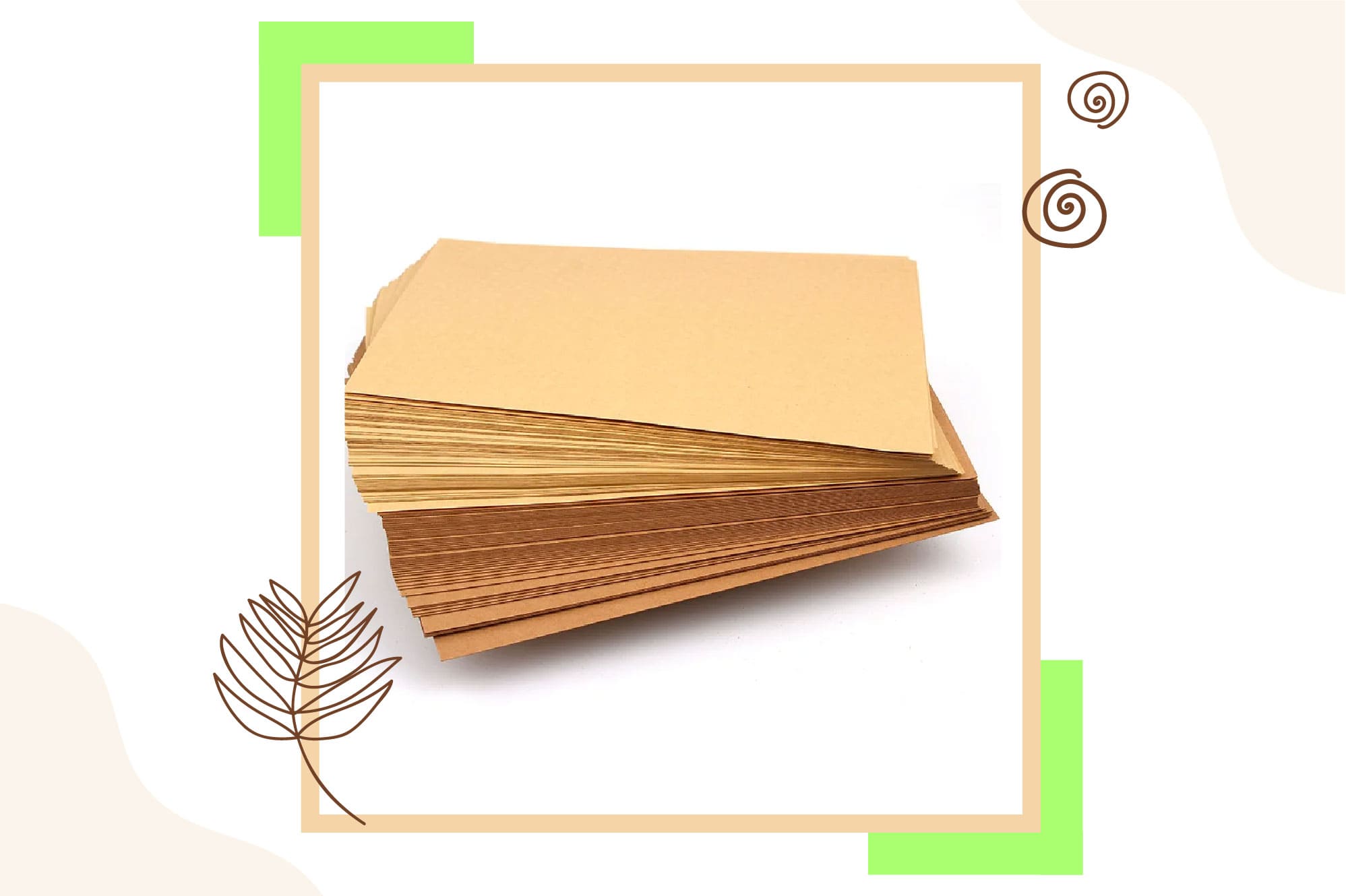
Recycled Kraft Paper: A Perfect Choice for Eco-Friendly Shopping Carry Bags

What is Recycled Kraft Paper?

Recycled Kraft Paper is an eco-friendly packaging solution made from recovered paper pulp. Known for its strength, durability, and natural brown appearance, it helps reduce waste and promotes sustainability. This paper is widely used for shopping bags, wrapping, and other packaging needs.

Material Used in Recycled Kraft Paper

  • Made from post-consumer recycled paper.
  • Contains repulped cardboard and kraft waste.
  • Natural fibers blended for strength and resilience.
  • Minimal use of bleaching agents.
  • Biodegradable and compostable materials.

How is Recycled Kraft Paper Made?

  • Collection of waste paper and kraft material.
  • Sorting and cleaning of recyclable paper.
  • Pulping through water and chemicals.
  • Removal of inks and contaminants.
  • Pressing and drying into kraft paper sheets.

Product & Usage of Recycled Kraft Paper Bags

  • Shopping carry bags for retail and grocery.
  • Wrapping and protective packaging.
  • Food packaging like pouches and takeaway bags.
  • Crafting, printing, and stationery use.
  • Multipurpose eco-friendly packaging solution.

Recycling After Usage

  • Transformed into new kraft paper rolls.
  • Can be converted into cartons, bags, and boxes.
  • Used in making tissue, corrugated sheets, and packaging paper.
  • Repurposed for eco-friendly stationery.
  • Enables continuous reuse without high resource demand.

Why Recycled Kraft Paper is Perfect for Shopping Carry Bags?

  • Strong and durable for heavy loads.
  • Cost-effective and sustainable.
  • Reduces carbon footprint by reusing waste paper.
  • Biodegradable and safe for the environment.
  • Offers a natural eco-look preferred by conscious shoppers.

Laminated Duplex Paper: A Reliable Packaging Solutions

What is Laminated Duplex Paper?

Laminated Duplex Paper is a high-quality paperboard used widely in retail, food, and consumer packaging. It is made by bonding two layers of paper pulp together, with the top layer often coated for a smooth and glossy finish. When laminated, it gains extra strength, durability, and resistance to moisture. This paper is commonly used for making shopping carry bags, cartons, and premium packaging that requires both strength and attractive presentation. It offers a balance of protection and visual appeal, making it ideal for businesses aiming to showcase products professionally.

Material Used in Laminated Duplex Paper

The composition of laminated duplex paper ensures both sturdiness and print-friendliness:

  • Duplex Board – Made from bleached and unbleached recycled paper pulp.
  • Lamination Film – Water-based or biodegradable film for moisture protection.
  • Coatings – Clay-coated surface for smooth printing and finishing.
  • Eco-friendly Printing Inks – For branding, logos, and customized designs.

How is Laminated Duplex Paper Made?

The production of laminated duplex paper bags involves these steps:

1. Pulping – Waste paper or wood pulp is processed into duplex board.

2. Layering – Two sheets of paper are combined to form a strong base.

3. Coating – The outer layer is treated with clay or chemicals for a smooth surface.

4. Lamination – A thin protective film is applied for water and grease resistance.

5. Cutting and Conversion – Sheets are cut and shaped into bags or cartons.

6. Printing – High-quality printing techniques are used for branding.

Product & Usage of Laminated Duplex Paper Bags

Laminated duplex paper is versatile and commonly used for:

  • Retail and Shopping – Premium shopping bags for clothing and accessories.
  • Food and Beverages – Packaging for bakery items, confectionery, and takeaways.
  • Electronics and Consumer Goods – Protective packaging for small gadgets.
  • E-commerce and Branding – Custom printed bags and boxes for product delivery.

Its strong structure and glossy finish make it a preferred choice for businesses wanting durable yet visually appealing carry bags.

Recycling After Usage

Laminated duplex paper bags can be recycled with proper processing:

  • Non-laminated Portions – Recycled into paper pulp and reused.
  • Laminated Layers – Separated through specialized recycling techniques.
  • Compostable Films – If biodegradable lamination is used, they can decompose naturally.
  • Industrial Processing – Converted into secondary packaging materials.

Reproduction After Recycling

After recycling, laminated duplex paper can be repurposed into:

  • New Shopping Carry Bags
  • Packaging Cartons and Boxes
  • Recycled Paper Sheets
  • Stationery Products
  • Tissue Paper and Wrapping Paper

This cycle helps reduce waste and extends the life of paper fibers.

Why Laminated Duplex Paper is Perfect for Shopping Carry Bags

  • Strong and durable – Capable of carrying heavy retail items.
  • Attractive finish – Glossy surface enhances product presentation.
  • Moisture resistant – Lamination protects against water and grease
  • Customizable – Easy to print with branding, designs, and logos.
  • Eco-conscious option – Recyclable and available with biodegradable lamination.

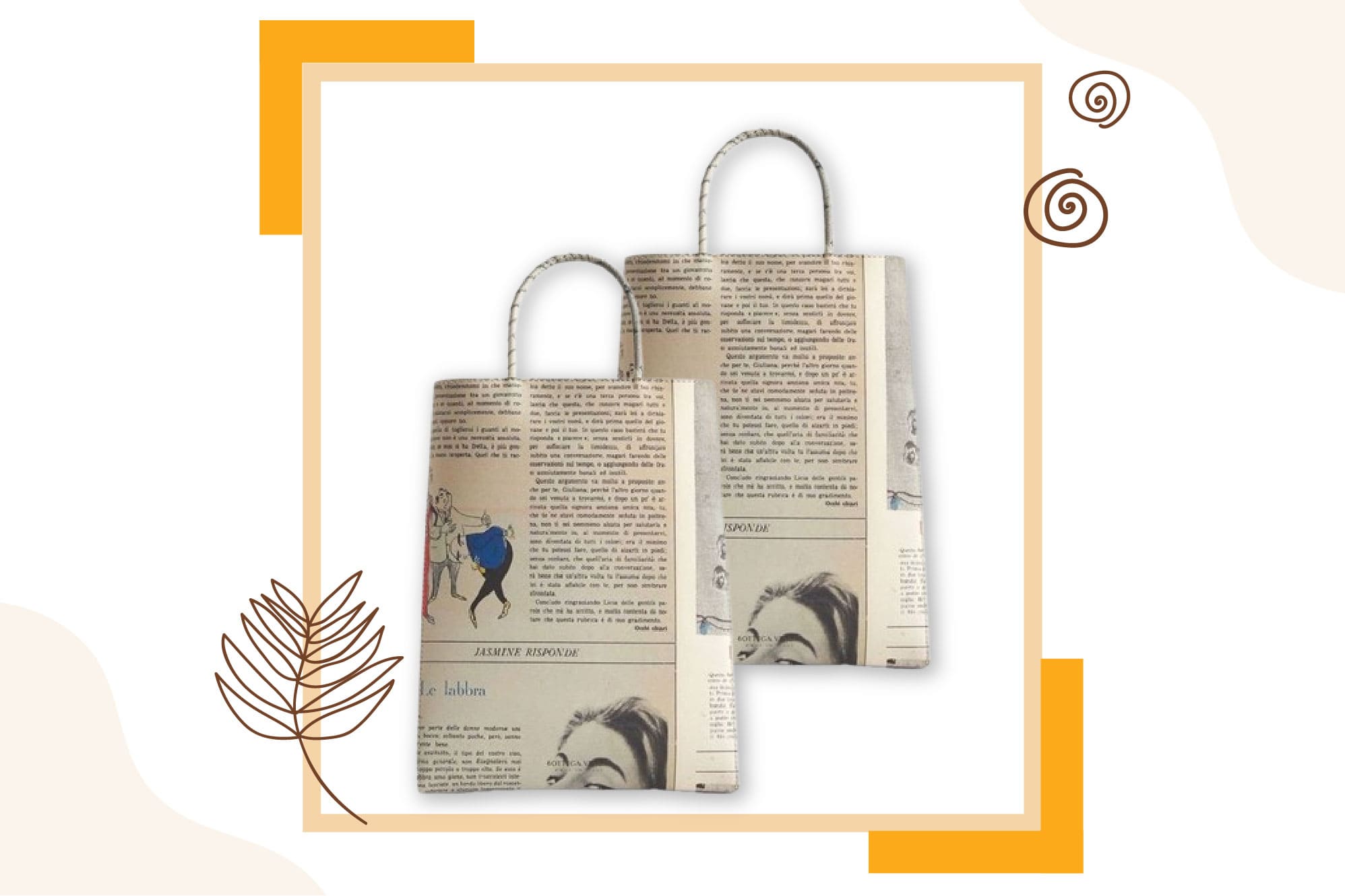
Newspaper: An Eco-friendly Packaging and Wrapping Solution

What is Newspaper?

Newspaper is one of the most widely recycled paper products used for packaging and wrapping. It is made from a combination of recycled paper pulp and mechanical wood pulp, giving it a lightweight yet durable texture. While newspapers are primarily printed for reading and distribution, they are also repurposed as an affordable and eco-conscious packaging material. For businesses and households, newspaper wrapping bags have become a simple, cost-effective, and sustainable solution for everyday packaging needs.

Material Used in Newspaper

The composition of newspaper makes it light and recyclable:

  • Recycled Paper Pulp – The main raw material used for strength and flexibility.
  • Mechanical Wood Pulp – Adds durability and structure to the sheets.
  • Soy-based or Water-based Inks – Used for printing in an eco-safe manner.
  • Natural Fillers – Added to improve smoothness and printability.

How is Newspaper Made?

The process of making newspapers follows these steps:

1. Pulping – Recycled paper and wood pulp are processed into fibrous pulp.

2. Refining – Fibers are treated to improve strength and flexibility.

3. Sheet Formation – Pulp is pressed and rolled into thin sheets.

4. Printing – Eco-friendly inks are used to print text and images.

5. Distribution – Final newspapers are supplied for use in reading and packaging.

6. Repurposing – After use, newspapers are collected and reused for packaging bags.

Product & Usage of Newspaper Bags

Newspaper bags and sheets serve multiple purposes in packaging:

  • Retail and Grocery – Commonly used for fruits, vegetables, and daily goods.
  • Food Wrapping – Ideal for dry food packaging such as snacks and takeaways.
  • Household Use – Wrapping, covering, and temporary storage of items.
  • Industrial and Small Businesses – Used as protective wrapping or fillers in shipments.

Affordable and easily available, newspaper bags are widely accepted as a low-cost eco-friendly packaging option.

Recycling After Usage

Newspapers can be easily recycled after consumer use:

  • Clean Newspapers – Recycled into fresh paper pulp for reuse.
  • Soiled Newspapers – If used for greasy food, they can be composted naturally.
  • Industrial Recycling – Converted into packaging boards, cartons, or molded products.
  • Energy-efficient Processing – Requires less energy compared to virgin paper production.

Reproduction After Recycling

Recycled newspapers can be repurposed into:

  • Packaging Boxes and Cartons
  • New Paper Sheets
  • Tissue Paper and Napkins
  • Paper Bags and Wrappers
  • Eco-friendly Stationery Products

This closed-loop recycling process helps reduce waste and promotes sustainable resource use

Why Newspaper is Perfect for Shopping Carry Bags and Wrapping

  • Affordable and easily available – Cost-effective for small and large businesses.
  • Eco-friendly and recyclable – Supports sustainable packaging practices.
  • Lightweight and flexible – Easy to fold, wrap, and carry.
  • Multipurpose – Suitable for food, retail, and industrial packaging
  • Promotes recycling – Encourages reuse of old newspapers instead of disposal.

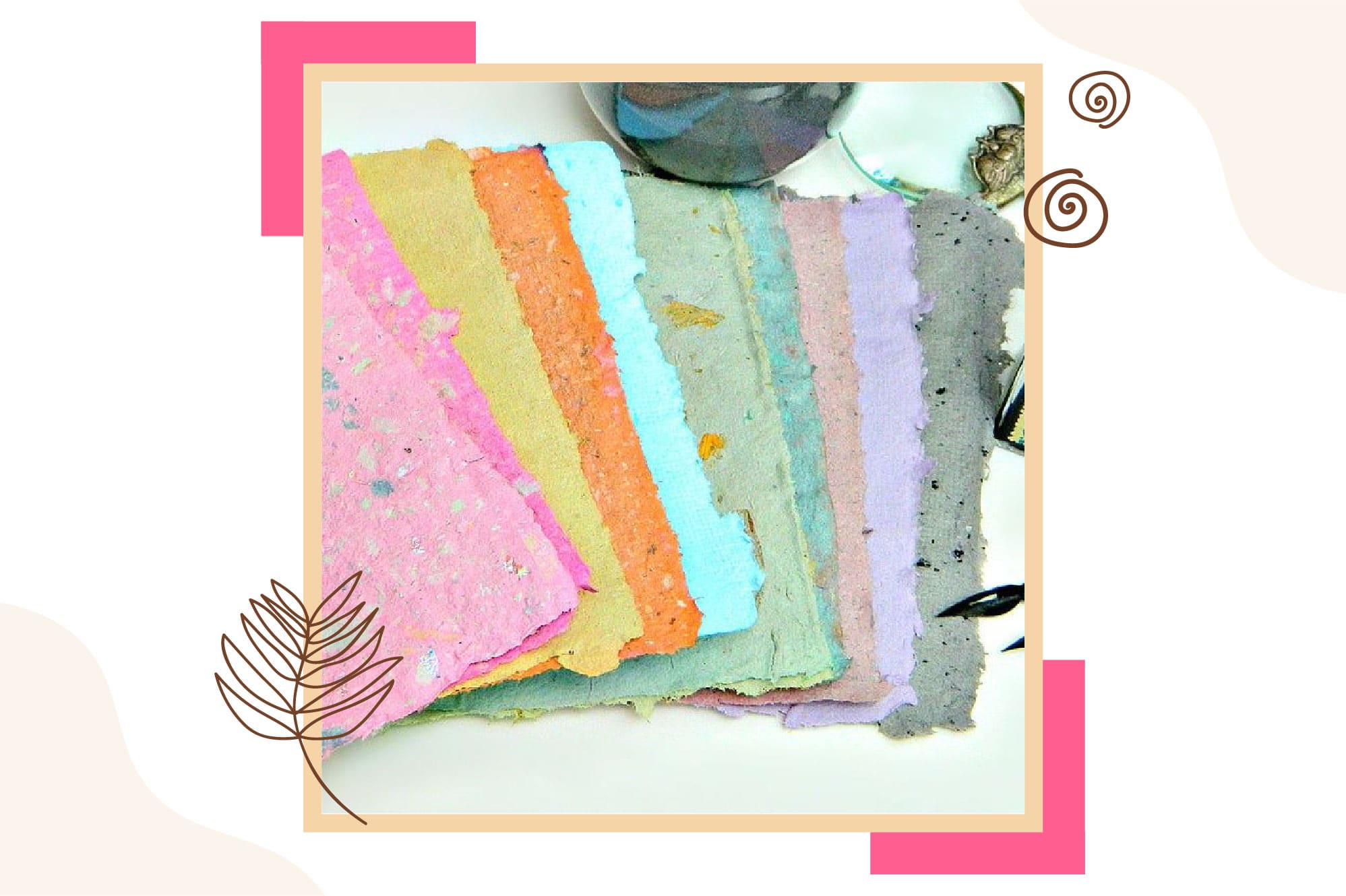
Handmade Paper: A Sustainable and Artistic Packaging Choice

What is Handmade Paper?

Handmade Paper is an eco-friendly and artistic form of paper created through traditional handcrafting techniques. Unlike machine-made papers, it is produced in small batches using recycled fibers, cotton rags, or agricultural waste. Handmade paper is durable, biodegradable, and often has a natural textured finish that adds uniqueness and charm. For packaging, shopping carry bags made from handmade paper provide both functionality and visual appeal. They reflect sustainability, creativity, and premium quality, making them suitable for eco-conscious brands.

Material Used in Handmade Paper

The composition of handmade paper highlights its natural and eco-safe qualities:

  • Recycled Cotton Rags – Provides strength and flexibility.
  • Agricultural Residue – Fibers from crops such as jute, banana, or hemp.
  • Waste Paper Pulp – Reprocessed paper fibers for sustainability.
  • Natural Dyes – For color and design variations.
  • Water-based Adhesives – Used for bonding and finishing.

How is Handmade Paper Made?

The handmade paper process follows traditional eco-conscious methods:

1. Collection – Cotton rags, waste paper, and plant fibers are gathered.

2. Pulping – Materials are soaked, beaten, and converted into pulp.

3. Sheet Formation – The pulp is spread on mesh frames to form sheets.

4. Pressing and Drying – Sheets are pressed to remove water and then air-dried.

5. Surface Treatment – Optional natural dyes, textures, or coatings are applied.

6. Bag Conversion – Sheets are cut, folded, and crafted into handmade paper bags.

Product & Usage of Handmade Paper Bags

Handmade paper bags are versatile and stylish, widely used for:

  • Retail and Shopping – Premium carry bags for boutiques and gift shops.
  • Events and Gifting – Decorative gift bags for weddings, birthdays, and celebrations.
  • Food and Beverages – Packaging for dry items such as chocolates or confectionery.
  • Eco-conscious Branding – Businesses using handmade bags to showcase sustainability.

These bags are not only durable but also enhance the brand’s eco-friendly image. packaging option.

Recycling After Usage

Handmade paper can be easily recycled or decomposed after usage:

  • Clean Bags – Recycled into pulp and reused for making new paper.
  • Compostable – Naturally biodegradable without leaving harmful residues.
  • Low-energy Recycling – Requires minimal processing compared to machine-made paper.
  • Industrial Applications – Converted into boards, cartons, or recycled sheets.

Reproduction After Recycling

Recycled handmade paper can be transformed into:

  • New Handmade Paper Sheets
  • Decorative Gift Bags and Boxes
  • Recycled Stationery
  • Wrapping Paper and Envelopes
  • Craft and Art Materials

This circular cycle supports sustainable use of resources while reducing waste.

Why Handmade Paper is Perfect for Shopping Carry Bags

  • Eco-friendly and biodegradable – A natural alternative to synthetic materials.
  • Durable and reusable – Strong enough for everyday shopping use.
  • Unique textures and designs – Adds a premium and creative appeal.
  • Customizable – Can be printed, dyed, or decorated with eco-safe materials.
  • Supports artisans and sustainability – Encourages handmade craft industries.

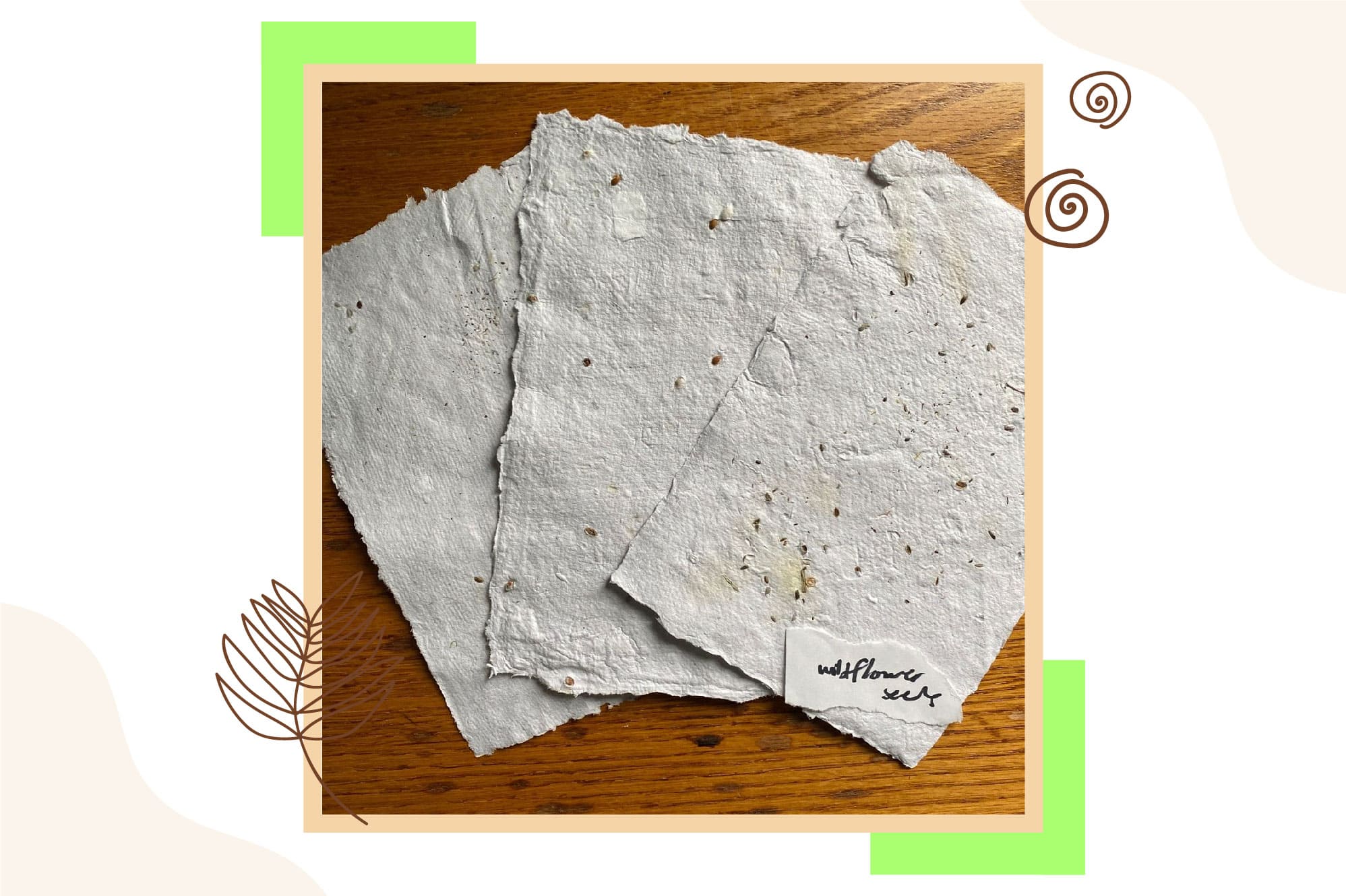
Plantable Seed Paper: Packaging that Grows Back into Nature

What is Plantable Seed Paper?

Plantable Seed Paper is a unique eco-friendly paper embedded with real seeds, designed to be planted after use. Instead of ending up as waste, this paper decomposes naturally in the soil, allowing seeds to sprout into plants. It is usually made from recycled cotton pulp or waste paper, making it 100 percent biodegradable and sustainable. For packaging, shopping carry bags and gift bags made from seed paper not only serve their purpose but also create a lasting environmental impact. They help businesses promote green branding while encouraging consumers to participate in sustainability.

Material Used in Plantable Seed Paper

The material composition of seed paper reflects its natural and regenerative qualities:

  • Recycled Cotton Pulp – Provides strength and flexibility.
  • Waste Paper Pulp – Ensures sustainability by reusing discarded paper.
  • Plant Seeds – Herbs, flowers, or vegetables embedded within the paper.
  • Natural Dyes – For eco-safe color and design.
  • Water-based Adhesives – Used minimally to retain biodegradability.

How is Plantable Seed Paper Made?

The process of making plantable seed paper is eco-conscious and innovative:

1. Collection – Waste paper and cotton rags are collected.

2. Pulping – Materials are soaked and beaten into a pulp.

3. Seed Embedding – Selected seeds are mixed into the pulp.

4. Sheet Formation – Pulp is spread on screens to form sheets.

5. Drying – Sheets are dried naturally to protect the seeds.

6. Bag Conversion – Sheets are cut and crafted into plantable seed paper bags.

Product & Usage of Plantable Seed Paper Bags

Plantable seed paper bags are both functional and impactful:

  • Retail and Shopping – Premium eco-bags for sustainable brands.
  • Events and Gifting – Ideal for wedding favors, corporate gifting, and return gifts.
  • Eco-conscious Campaigns – Businesses use seed paper bags to showcase green values.
  • Craft and Stationery – Used for cards, tags, and eco-friendly packaging.

These bags give consumers a chance to plant them and grow flowers, herbs, or vegetables, turning packaging into a living product.

Recycling After Usage

Plantable seed paper does not require conventional recycling. Instead, it regenerates naturally:

  • Planting – Bags can be torn and planted in soil.
  • Biodegradation – Paper decomposes without harming the environment.
  • Direct Regeneration – Seeds sprout into plants, reducing waste.
  • Zero Waste – Nothing is left behind except new life.

Reproduction After Recycling

When planted and decomposed, seed paper transforms into:

  • Flowering Plants
  • Herbs and Vegetables
  • Greenery for Urban Spaces
  • Natural Compost that enriches soil

This life cycle makes it one of the most sustainable forms of packaging available.

Why Plantable Seed Paper is Perfect for Shopping Carry Bags

  • 100 percent biodegradable – Leaves behind no waste.
  • Grows into plants – Creates a positive environmental impact.
  • Strong and reusable – Durable enough for lightweight shopping needs.
  • Customizable – Can be printed with eco-friendly inks for branding.
  • Ideal for eco-conscious gifting – Aligns with sustainable lifestyles and values.

Food Grade Paper: Safe and Sustainable Packaging for Food Products

What is Food Grade Paper?

Food Grade Paper is a specially treated paper designed to safely come in contact with food without transferring harmful chemicals or contaminants. Unlike regular paper, food grade paper undergoes strict quality checks to ensure it is grease-resistant, non-toxic, and compliant with food safety standards. It is widely used for wrapping, serving, and packaging food items. Shopping carry bags and food wraps made from food grade paper help businesses maintain hygiene while promoting sustainability through eco-friendly packaging.

Material Used in Food Grade Paper

The composition of food grade paper ensures both safety and durability:

  • Virgin Pulp or Recycled Fiber – Processed under food safety standards.
  • Water-based Coatings – Provide grease and moisture resistance.
  • Food-safe Additives – Ensure non-toxicity and compliance with regulations.
  • Eco-friendly Printing Inks – For branding and labeling without contamination.

How is Food Grade Paper Made?

The process of making food grade paper follows strict hygiene guidelines:

1. Selection – Virgin or recycled pulp is chosen under food safety requirements.

2. Pulping – Paper fibers are processed into high-quality pulp.

3. Coating – A protective food-safe layer is applied to prevent grease absorption.

4. Drying and Finishing – Sheets are dried, cut, and treated for strength.

5. Conversion – Paper is shaped into bags, wraps, or packaging sheets.

6. Printing – Food-safe inks are used for branding and labeling.

Product & Usage of Food Grade Paper Bags

Food grade paper is highly versatile and widely used across industries:

  • Bakeries and Cafés – Wrapping sandwiches, pastries, and snacks.
  • Restaurants and Takeaways – Ideal for serving and carrying hot or oily food.
  • Grocery Stores – Used for packaging fresh produce and dry items.
  • Food Deliveries – Secure and hygienic paper bags for delivery services.

These bags maintain hygiene, prevent leakage, and promote eco-friendly practices.

Recycling After Usage

Food grade paper can be recycled depending on its condition

  • Clean Bags – Recycled into paper pulp for reuse.
  • Grease-stained Bags – If not heavily soiled, they can be composted.
  • Industrial Recycling – Used in making packaging boards or recycled sheets.
  • Energy-efficient Reuse – Requires less energy compared to producing virgin paper.

Reproduction After Recycling

Recycled food grade paper can be converted into:

  • New Food Wrapping Papers
  • Shopping Carry Bags
  • Tissue Paper and Napkins
  • Packaging Boards
  • Eco-friendly Stationery

This helps reduce waste and supports circular sustainability in food packaging.

Why Food Grade Paper is Perfect for Shopping Carry Bags

  • Safe and hygienic – Certified for direct contact with food.
  • Strong and leak-resistant – Protects against grease and moisture.
  • Eco-friendly and recyclable – A sustainable alternative to plastic packaging.
  • Versatile – Suitable for bakeries, restaurants, and retail food packaging.
  • Customizable – Can be printed with eco-safe inks for brand promotion.

Virgin Kraft Paper: Strong and Reliable Packaging for Shopping Carry Bags

What is Virgin Kraft Paper?

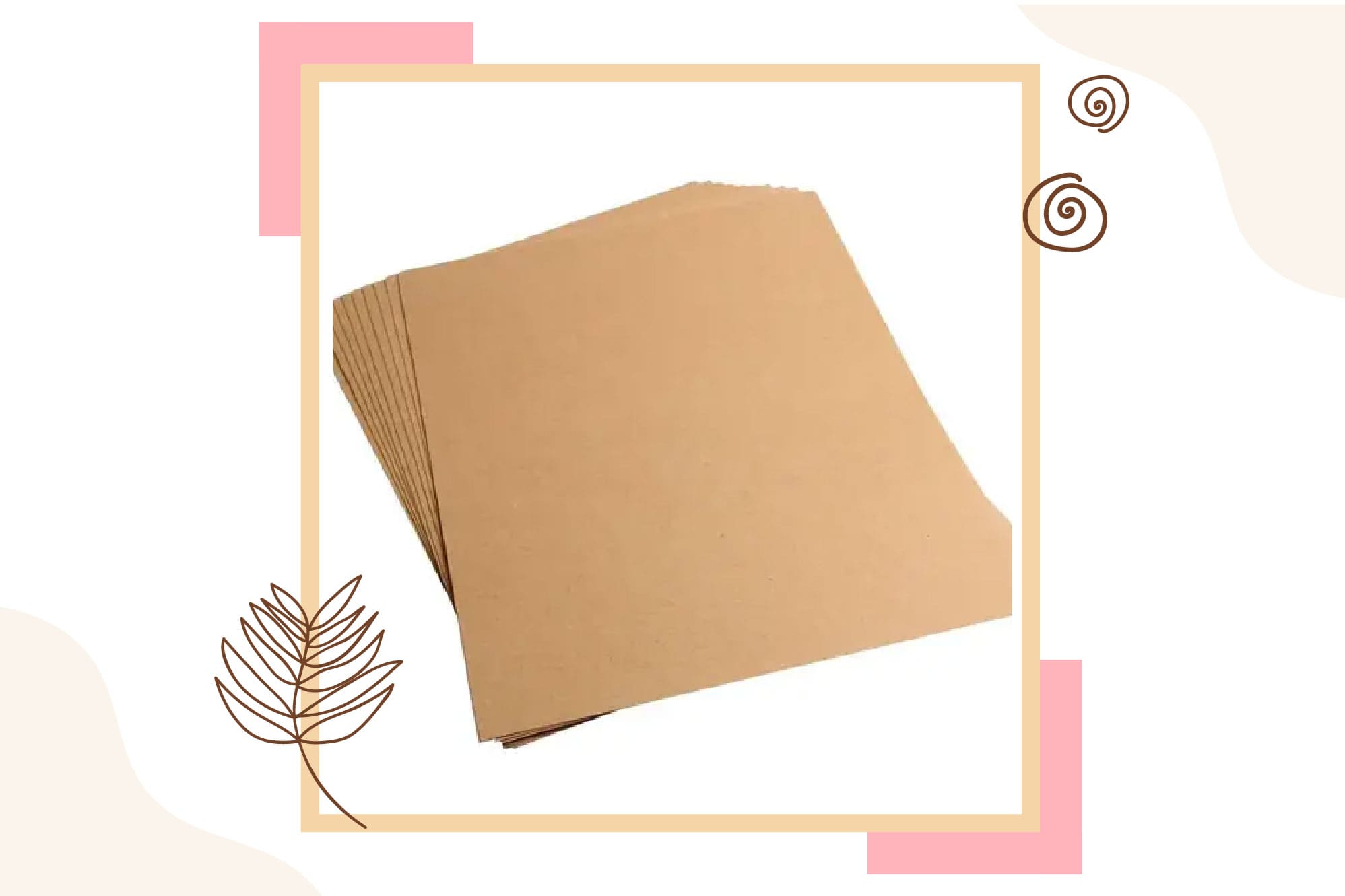
Virgin Kraft Paper is a premium paper made directly from fresh wood pulp, without the use of recycled fibers. Known for its exceptional strength, durability, and natural brown color, it is widely used for making shopping carry bags and packaging products. Unlike recycled kraft paper, virgin kraft paper offers higher tear resistance and a smoother surface, making it ideal for heavy-duty and premium packaging applications. For businesses and retailers, virgin kraft paper bags are a trusted solution that combines strength with sustainability, as they remain recyclable and biodegradable after use.

Material Used in Virgin Kraft Paper

The material composition of virgin kraft paper ensures toughness and quality:

  • 100% Virgin Wood Pulp – Provides strength and resilience.
  • Minimal Chemicals – Ensures eco-safety and biodegradability.
  • Natural Brown Fibers – Retain the signature kraft appearance.
  • Food-safe and Eco-friendly Inks – Used for printing and branding.

How is Virgin Kraft Paper Made?

The production of virgin kraft paper involves a specialized pulping process:

1. Wood Collection – Logs and chips are sourced from responsibly managed forests.

2. Pulping – Wood fibers are chemically treated using the kraft process.

3. Washing and Screening – Fibers are cleaned to remove impurities.

4. Drying and Rolling – The pulp is pressed and rolled into kraft paper sheets.

5. Cutting and Conversion – Sheets are cut and shaped into shopping carry bags.

6. Printing – Bags are branded using food-safe eco inks.

PProduct & Usage of Virgin Kraft Paper Bags

Virgin kraft paper bags are durable and widely used in multiple sectors:

  • Retail and Shopping – Heavy-duty bags for groceries, clothing, and accessories.
  • Food Packaging – Suitable for bakery, confectionery, and takeaway items.
  • E-commerce – Used for shipping envelopes and protective packaging.
  • Premium Branding – Chosen by businesses for sturdy and attractive carry bags.

Their strength makes them perfect for carrying heavy items while showcasing an eco-friendly brand image.

Recycling After Usage

Virgin kraft paper is highly recyclable and eco-conscious:

  • Clean Bags – Recycled into kraft sheets or paper pulp.
  • Compostable – Naturally decomposes without releasing toxins.
  • Industrial Recycling – Converted into cartons, wrapping paper, or recycled boards.
  • Energy-efficient Cycle – Reduces reliance on fresh wood in future production.

Reproduction After Recycling

After recycling, virgin kraft paper can be transformed into:

  • New Kraft Paper Sheets
  • Recycled Shopping Bags
  • Cartons and Corrugated Boards
  • Tissue Paper and Napkins
  • Wrapping and Packaging Material

This closed-loop system supports resource conservation and reduces waste.

Why Virgin Kraft Paper is Perfect for Shopping Carry Bags

  • Strong and durable – Ideal for carrying heavy products.
  • Eco-friendly and biodegradable – Breaks down naturally after disposal.
  • Premium quality – Provides a smooth finish for branding and printing.
  • Recyclable – Can be reused multiple times in the paper cycle.
  • Versatile – Suitable for food, retail, and e-commerce packaging.

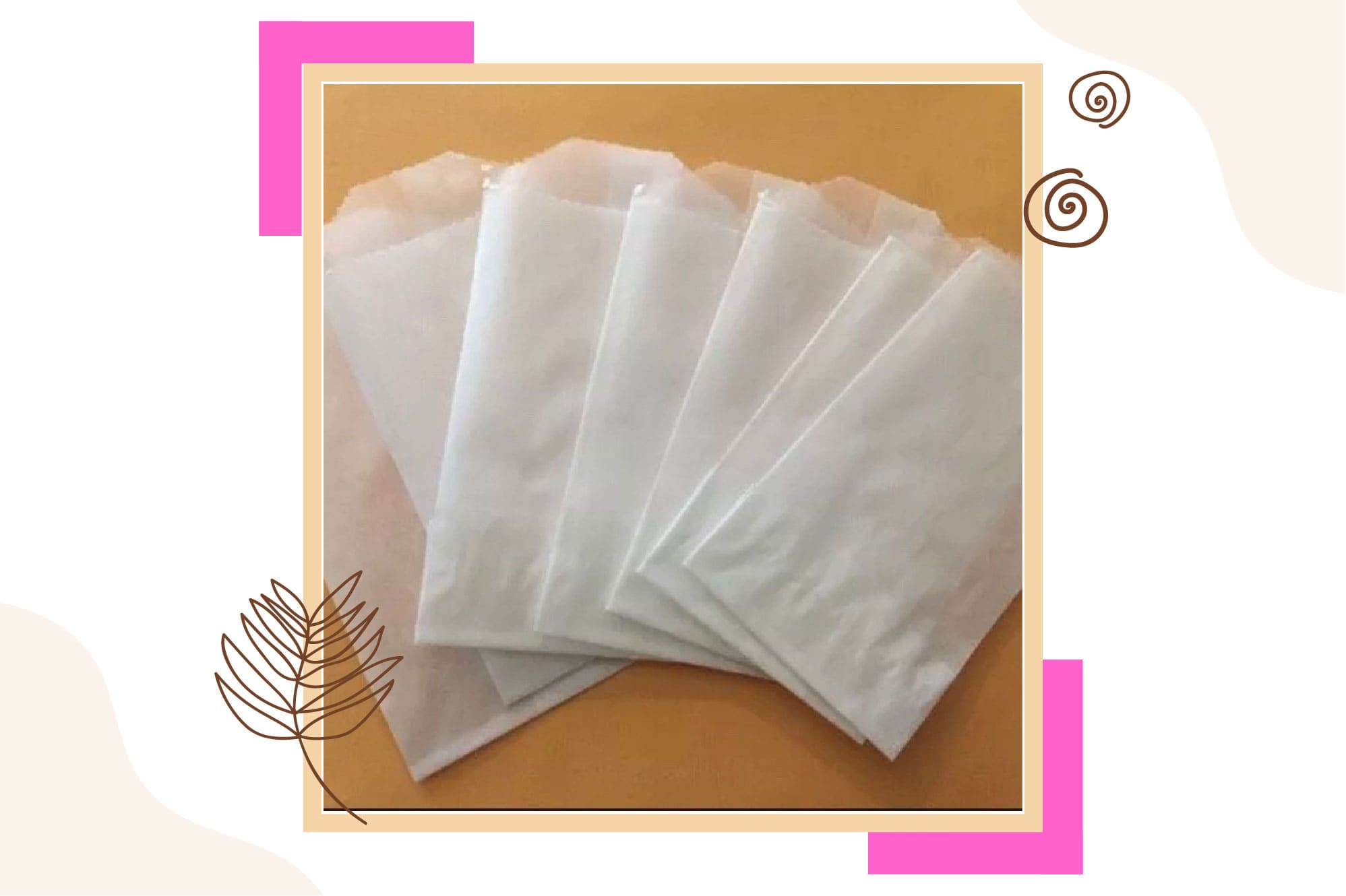
Food Wrapping Paper: Safe & Hygienic Food Packaging Solution

What is Food Wrapping Paper?

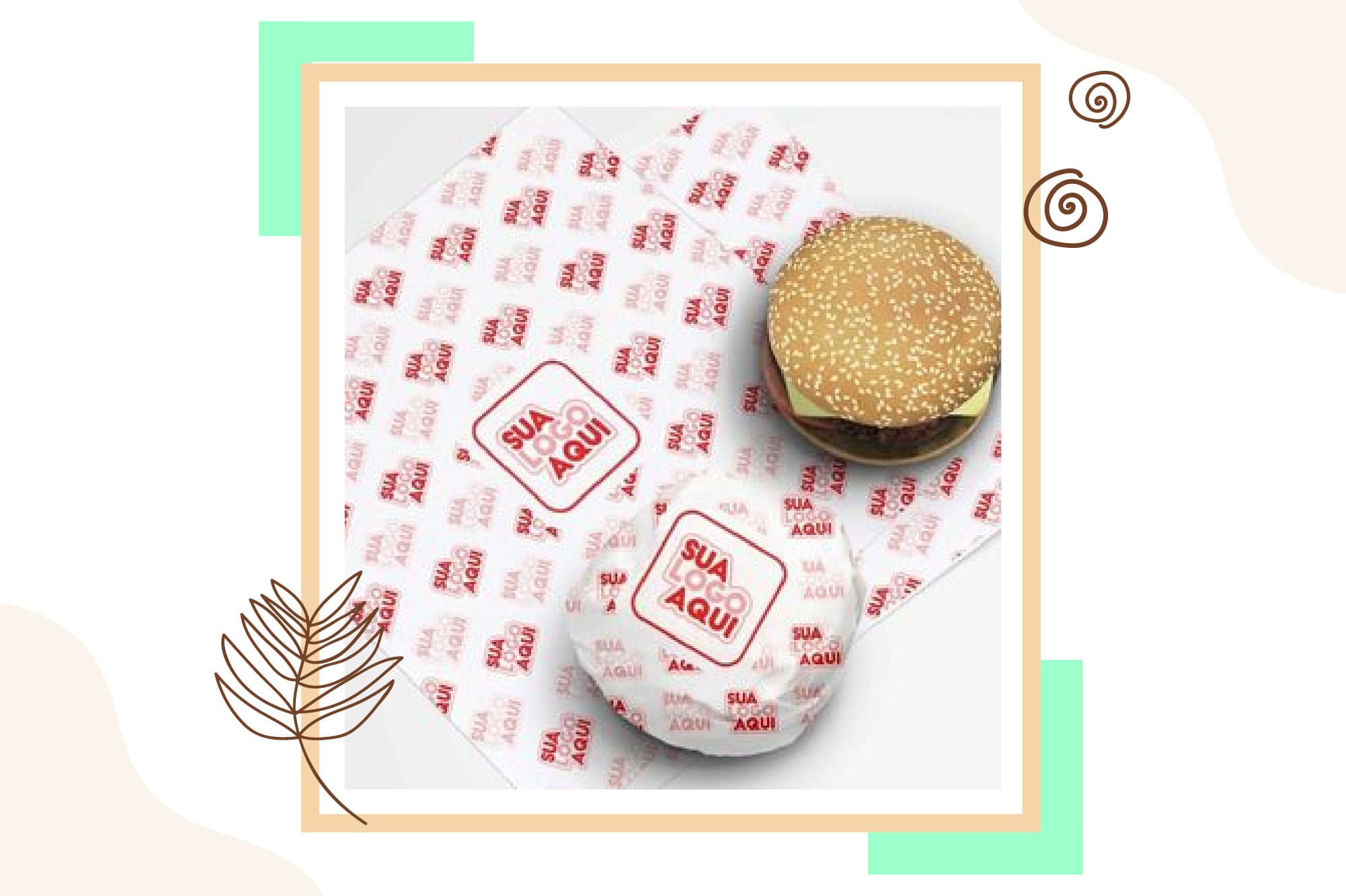
Food Wrapping Paper is a specially designed paper used for packaging, storing, and serving food. It prevents contamination, preserves freshness, and maintains hygiene standards. Widely used by restaurants, bakeries, and food outlets, it is an eco-friendly and cost-effective alternative to plastic packaging.

Material Used in Food Wrapping Paper

  • Made from food-grade paper with safe, non-toxic coatings.
  • Often includes butter paper, parchment paper, or wax-coated paper.
  • Lightweight yet durable to hold oily, moist, or dry food.
  • Grease-resistant and leak-proof variants available.
  • Printed with food-safe inks when branding is required.

How is Food Wrapping Paper Made?

High-quality pulp processed into thin, flexible sheets.

Paper treated for grease and moisture resistance.

Coated with wax, silicone, or butter lining for added protection.

Cut and rolled into convenient sheets or wraps.

Optionally customized with branding and food-safe prints.

Product & Usage of Food Wrapping Paper

  • Wrapping sandwiches, burgers, and rolls.
  • Ideal for bakery items like cakes, pastries, and cookies.
  • Used in restaurants and takeaways for hygienic food handling.
  • Perfect for street food vendors for easy serving.
  • Keeps food fresh, safe, and visually appealing.

Recycling After Usage

  • Non-greasy wrapping paper can be recycled with paper waste.
  • Greasy or food-soiled paper may be composted if biodegradable.
  • Waxed and laminated variants require special recycling processes.
  • Reduces landfill waste when properly segregated.
  • Encourages eco-friendly disposal practices in food service.

Reproduction After Recycling

  • Recycled into tissue paper, cardboard, and packaging paper.
  • Can be reprocessed for kraft paper or low-grade wrapping.
  • Upcycled into eco-friendly stationery or molded packaging.
  • Helps in reducing the use of virgin paper resources.
  • Supports circular economy in food packaging.

Why Food Wrapping Paper is Perfect for Food Packaging

  • Maintains hygiene and freshness of food.
  • Resistant to oil, grease, and moisture.
  • Eco-friendly and safe for direct food contact
  • Lightweight and convenient for daily use.
  • Customizable with branding for food businesses.

Cardboard Paper: Perfect for Strong and Durable Packaging Solutions

What is Cardboard Paper?

Cardboard Paper is a thick and sturdy paper material used for creating durable packaging solutions. Made from layers of paper pulp, cardboard offers strength, rigidity, and excellent protection for products during storage and transit. For businesses and brands, cardboard paper has become a preferred choice for boxes, packaging sheets, and custom packaging, combining durability, cost-effectiveness, and sustainability.

Material Used in Cardboard Paper

The material composition of cardboard paper ensures robustness and eco-friendliness:

  • Virgin or Recycled Paper Pulp – Base material providing strength and durability.
  • Minimal Bleaching – Preserves natural texture and reduces chemical usag.e
  • Eco-Friendly Adhesives – For binding layers without harming the environment.
  • Optional Coatings – Water-based or biodegradable coatings for extra protection.

How is Cardboard Paper Made?

The making process of cardboard paper includes multiple careful steps:

1. Pulping – Paper fibers are converted into pulp using mechanical or chemical processes.

2. Layer Formation – Multiple layers of pulp are stacked to form thick sheets.

3. Pressing and Drying – Sheets are pressed and dried to achieve rigidity.

4. Cutting – Large sheets are cut into required sizes for packaging needs

5. Finishing – Coatings or treatments are applied for moisture resistance or smooth surfaces.

6. Packaging Conversion – Sheets are folded, glued, or corrugated into boxes, cartons, or packaging sheets.

Product and Usage of Cardboard Paper

Cardboard paper is highly versatile and widely used for packaging and shipping:

  • Retail Packaging – Boxes for clothing, electronics, and household products
  • Food Packaging – Cardboard trays, cartons, and containers for bakery and takeaway.
  • E-commerce and Logistics – Strong packaging for shipping and deliveries
  • Storage Solutions – Organizers, partitions, and protective sheets

With its durability and lightweight nature, cardboard paper ensures safe transport and professional presentation of products

Recycling After Usage

Cardboard paper can easily re-enter the recycling cycle after use:

  • Clean Cardboard – Reprocessed into new cardboard sheets or paper products
  • Soiled Cardboard – Can be composted if free from coatings or plastic
  • Industrial Recycling – Mixed cardboard waste is transformed into recycled packaging material

Reproduction After Recycling

After recycling, cardboard paper is transformed into:

  • New Packaging Boxes and Cartons
  • Corrugated Sheets and Dividers
  • Recycled Paper Sheets
  • Stationery Products and Notebooks

This recycling cycle reduces environmental impact, saves trees, and promotes sustainable packaging practices

Why Cardboard Paper is Perfect for Packaging Solutions

  • Strong and Durable – Protects products during storage and transit
  • Eco-Friendly and Recyclable – Supports sustainable packaging initiatives
  • Lightweight yet Sturdy – Easy to handle and transport
  • Customizable – Can be printed, folded, or corrugated for branding
  • Cost-Effective – Ideal for businesses looking for practical and sustainable packaging

Corrugation Sheet: Perfect for Durable and Protective Packaging

What is a Corrugation Sheet?

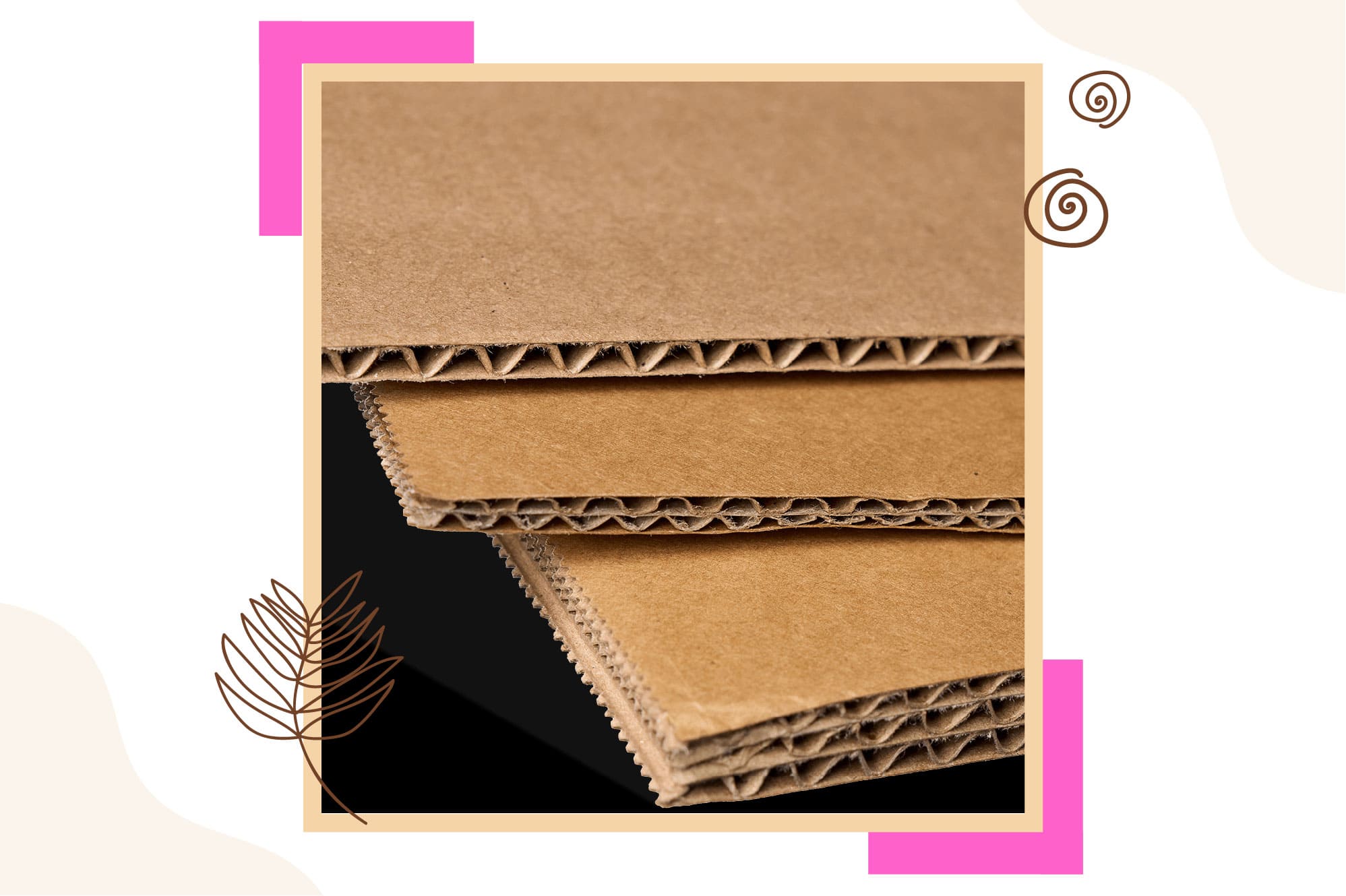
Corrugation Sheet is a strong, fluted paperboard used to provide enhanced strength and cushioning for packaging. Made by sandwiching a wavy layer of paper (fluting) between two flat liners, corrugation sheets are widely used in shipping, storage, and industrial packaging. For businesses, corrugation sheets are an ideal choice for creating sturdy boxes and protective packaging, combining durability, cost-efficiency, and sustainability.

Material Used in Corrugation Sheet

The material composition of corrugation sheets ensures resilience and eco-friendliness:

  • Kraft Paper or Recycled Paper Pulp – Forms the fluted and flat layers
  • Eco-Friendly Adhesives – Used for bonding layers together
  • Optional Coatings – Water-based or biodegradable lamination for moisture resistance
  • Minimal Bleaching – Maintains natural texture and reduces chemical usage

How is a Corrugation Sheet Made?

The manufacturing process of corrugation sheets includes multiple careful steps:

1. Pulping – Paper fibers are processed into strong liners and fluting material

2. Fluting Formation – Paper is shaped into wavy or corrugated layers

3. Layer Bonding – Fluted sheet is sandwiched between two flat liners using adhesives

4. Pressing and Drying – Sheets are pressed and dried for rigidity

5. Cutting – Large sheets are cut to desired sizes for packaging

6. Conversion – Sheets can be folded or printed for boxes, cartons, or protective inserts

Product and Usage of Corrugation Sheets

Corrugation sheets are versatile and widely used for packaging and industrial applications:

  • Shipping and Logistics – Boxes and cartons for safe transport of goods
  • Retail Packaging – Protective inserts and dividers for fragile items
  • Storage Solutions – Industrial trays, partitions, and cushioning sheets
  • Custom Packaging – Printed or branded corrugated sheets for product presentation.

With strong durability and cushioning properties, corrugation sheets ensure safe handling of products while enhancing brand packaging.

Recycling After Usage

Corrugation sheets can easily be recycled after use:

  • Clean Sheets – Reprocessed into new corrugated or cardboard sheets
  • Soiled Sheets – If free from plastic coatings, can be composted naturally
  • Industrial Recycling – Mixed corrugated waste is converted into recycled paper products

Reproduction After Recycling

After recycling, corrugation sheets are transformed into:

  • New Corrugated Sheets and Boxes
  • Packaging Cartons and Dividers
  • Recycled Paper Sheets
  • Stationery and Office Products

This recycling process reduces waste, conserves resources, and promotes sustainable packaging practices.

Why Corrugation Sheet is Perfect for Packaging

  • Strong and Shock-Absorbent – Protects fragile and heavy product
  • Eco-Friendly and Recyclable – Supports sustainable packaging initiatives
  • Lightweight yet Sturdy – Easy to transport and handle
  • Customizable – Can be printed, folded, or shaped for branding
  • Cost-Effective – Durable and practical packaging solution for businesses

Hunnycommy: Perfect for Premium and Protective Packaging

What is Hunnycommy?

Hunnycommy is a high-quality, durable paperboard designed for premium packaging solutions. Known for its smooth surface and excellent printability, Hunnycommy is widely used in product boxes, gift packaging, and retail packaging. For businesses, Hunnycommy offers a combination of strength, aesthetic appeal, and sustainability, making it a preferred choice for premium product presentation.

Material Used in Hunnycommy

The material composition of Hunnycommy ensures both durability and quality:

  • Virgin Paper Pulp – Provides a smooth, strong base for printing and folding
  • Clay Coating – Enhances surface smoothness and print quality
  • Eco-Friendly Adhesives – For binding layers without harming the environment
  • Optional Laminations – Water-based or biodegradable coatings for protection

How is Hunnycommy Made?

The manufacturing process of Hunnycommy includes multiple precise steps:

1. Pulping – Paper fibers are processed to form a strong and smooth base sheet

2. Layer Formation – Multiple layers may be combined for added strength

3. Coating – Clay coating is applied for smoothness and printability

4. Pressing and Drying – Sheets are pressed and dried to achieve rigidity

5. Cutting – Large sheets are cut to required sizes for packaging needs

6. Printing and Conversion – Sheets are printed and converted into boxes or other packaging formats

Product and Usage of Hunnycommy

Hunnycommy is versatile and widely used for premium packaging and display:

  • Retail Packaging – High-end product boxes for cosmetics, electronics, and apparel
  • Gift Packaging – Boxes and wraps for special occasions and celebrations
  • E-commerce and Branding – Custom printed packaging for product promotion
  • Food Packaging – Suitable for dry or wrapped products requiring premium presentation

With smooth surfaces and durable construction, Hunnycommy packaging ensures a high-quality brand image while protecting products.

Recycling After Usage

Hunnycommy sheets can be recycled efficiently after use:

  • Clean Sheets – Reprocessed into new packaging sheets or paper products
  • Coated or Laminated Sheets – If biodegradable, can be composted naturally
  • Industrial Recycling – Mixed Hunnycommy waste is processed into recycled paper products

Reproduction After Recycling

After recycling, Hunnycommy can be transformed into:

  • New Packaging Boxes
  • Recycled Paper Sheets
  • Stationery and Office Products
  • Gift Wrapping and Craft Materials

This recycling process reduces environmental impact and promotes sustainable packaging practices.

Why Hunnycommy is Perfect for Packaging

  • Premium and Smooth – Ideal for high-end printing and presentation
  • Durable and Protective – Keeps products safe during storage and transit
  • Eco-Friendly and Recyclable – Supports sustainable packaging initiatives
  • Customizable – Easily printed with brand designs or patterns
  • Cost-Effective – Provides quality and aesthetic appeal for businesses

Paper Pulp: Perfect for Eco-Friendly Packaging and Paper Products

What is Paper Pulp?

Paper Pulp is a fibrous material obtained by processing raw paper or wood fibers, forming the base for various paper and packaging products. It is essential in the production of cardboard, kraft paper, tissue, and other paper-based packaging. For businesses, paper pulp offers a sustainable, versatile, and cost-effective solution for creating eco-friendly paper products.

Material Used in Paper Pulp

The composition of paper pulp ensures durability and sustainability:

  • Wood or Recycled Fibers – Base material for strong paper formation
  • Water – Used for mixing and pulping fibers into a consistent slurry
  • Eco-Friendly Additives – For improving strength, smoothness, or printability
  • Optional Fillers – Natural or biodegradable fillers to enhance properties

How is Paper Pulp Made?

The production process of paper pulp includes several careful steps:

1. Collection – Raw wood, recycled paper, or agricultural fibers are gathered

2. Pulping – Fibers are shredded and mixed with water to form a slurry

3. Cleaning – Contaminants and unwanted materials are removed

4. Refining – Fibers are beaten and refined to improve bonding and strength

5. Sheet Formation – Pulp is spread, pressed, and dried into paper or cardboard sheets

6. Conversion – Sheets are used to make paper, packaging, or other products

Product and Usage of Paper Pulp

Paper pulp is highly versatile and widely used in paper and packaging industries:

  • Packaging – Base material for kraft paper, cardboard, and cartons
  • Printing – Notebooks, office stationery, and books
  • Food Packaging – Cups, trays, and disposable containers
  • Craft and Industrial Uses – Handmade paper, insulation, and molded products

With its flexibility and eco-friendly nature, paper pulp serves as the backbone for sustainable packaging solutions and paper products

Recycling After Usage

Paper pulp can be recycled effectively after product use:

  • Recovered Paper – Used to make new paper or cardboard products
  • Industrial Recycling – Mixed pulp waste processed into sheets or molded items
  • Compostable – Biodegradable paper pulp can enrich soil naturally

Recycling reduces waste, conserves resources, and supports sustainable paper production

Reproduction After Recycling

After recycling, paper pulp is transformed into:

  • New Paper Sheets and Cardboard
  • Packaging Products and Trays
  • Tissue Paper and Napkins
  • Stationery Items and Craft Materials

This recycling loop promotes sustainability, reduces landfill waste, and conserves forests.

Why Paper Pulp is Perfect for Packaging and Paper Products

  • Sustainable and Eco-Friendly – Reduces dependence on virgin materials
  • Versatile – Suitable for multiple packaging and paper applications
  • Cost-Effective – Affordable material for businesses
  • Strong and Durable – Provides reliable base for various products
  • Recyclable – Can be reused multiple times in paper production

MDF Board: Perfect for Strong and Versatile Furniture and Packaging Solution

What is the MDF Board?

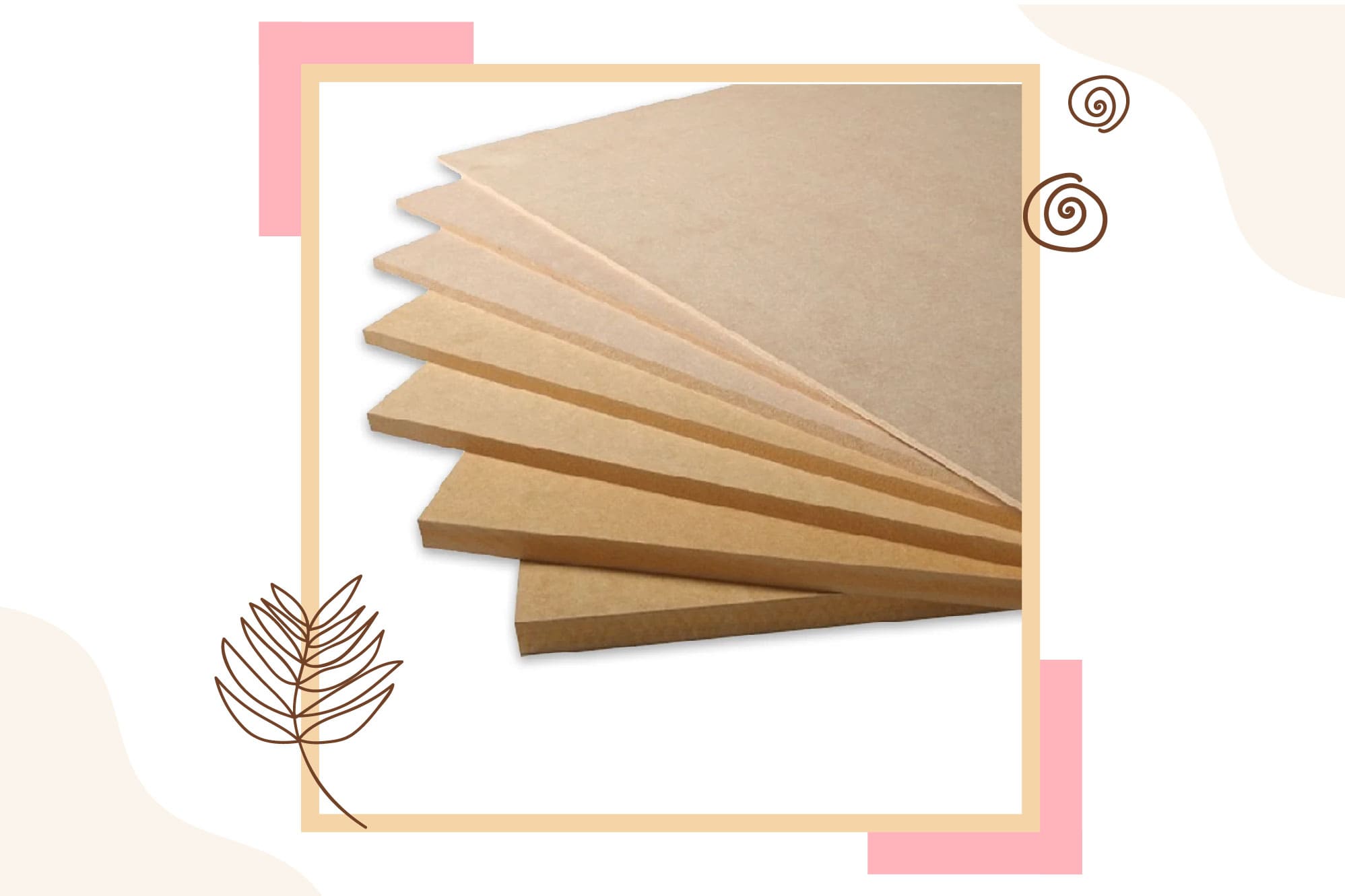
MDF (Medium-Density Fiberboard) Board is an engineered wood product made from wood fibers, resin, and wax, compressed under high pressure to form smooth, dense panels. Known for its uniform strength, smooth surface, and versatility, MDF board is widely used in furniture, interior décor, and packaging solutions. For businesses, MDF board offers a durable, cost-effective, and sustainable alternative to solid wood.

Material Used in MDF Board

The composition of MDF board ensures durability and consistency:

  • Wood Fibers – Primary material derived from wood or recycled wood waste
  • Resin – Acts as a binding agent for fibers
  • Wax – Provides water resistance and durability
  • Optional Coatings – Lamination or veneer for aesthetics and protection

How is MDF Board Made?

The manufacturing process of MDF board includes several precise steps:

1. Wood Preparation – Wood chips or recycled wood are collected and cleaned

2. Fiberizing – Chips are broken down into fine fibers

3. Mixing – Fibers are combined with resin and wax

4. Forming – Mixture is spread into mats of uniform thickness

5. Pressing – High-pressure heat presses compress mats into dense panels

6. Finishing – Boards are sanded, trimmed, and optionally laminated for smooth surfaces

Product and Usage of MDF Board

MDF board is versatile and widely used across industries:

  • Furniture – Cabinets, shelves, tables, and wardrobes
  • Interior Décor – Wall panels, partitions, and moldings
  • Packaging – Rigid protective packaging and crates
  • Craft and Industrial Use – Sign boards, decorative items, and prototypes

With smooth surfaces and consistent strength, MDF board ensures reliable performance in furniture and protective packaging applications.

Recycling After Usage

MDF board can be recycled efficiently after use:

  • Reprocessed – Can be converted into wood fibers for new MDF boards
  • Energy Recovery – Used as biomass for energy production
  • Industrial Recycling – Can be repurposed into composite wood products

Reproduction After Recycling

After recycling, MDF board can be transformed into:

  • New MDF Panels and Boards
  • Furniture Components and Decorative Panels
  • Packaging Crates and Protective Inserts
  • Wood-Based Craft and Industrial Products

This recycling loop minimizes landfill waste and supports eco-friendly manufacturing practices.

Why MDF Board is Perfect for Furniture and Packaging

  • Durable and Strong – Suitable for heavy-duty furniture and protective packaging
  • Smooth and Uniform – Easy to paint, laminate, or decorate
  • Eco-Friendly – Uses recycled wood fibers and minimizes solid wood usage
  • Versatile – Can be cut, shaped, or laminated for multiple applications
  • Cost-Effective – Affordable alternative to solid wood while maintaining quality

Kappa Board: Perfect for Sturdy and Lightweight Packaging Solutions

What is Kappa Board?

Kappa Board is a high-quality, durable paperboard made from virgin or recycled fibers, widely used for packaging and display purposes. Known for its stiffness, smooth surface, and lightweight structure, Kappa Board provides excellent protection and presentation for products. For businesses, Kappa Board is an ideal choice for boxes, cartons, and retail packaging, combining strength, cost-effectiveness, and eco-friendliness.

Material Used in Kappa Board

The material composition of Kappa Board ensures strength and sustainability:

  • Virgin or Recycled Paper Pulp – Base material providing rigidity and smoothness
  • Eco-Friendly Adhesives – For bonding multiple layers
  • Optional Coatings – Water-based or biodegradable coatings for protection
  • Minimal Bleaching – Preserves natural texture and reduces chemical usage

How is Kappa Board Made?

The manufacturing process of Kappa Board includes several careful steps:

1. Pulping – Paper fibers are processed into a smooth and strong base

2. Layer Formation – Multiple layers are combined for enhanced stiffness

3. Pressing and Drying – Sheets are compressed and dried to achieve rigidity

4. Cutting – Large sheets are trimmed to desired sizes for packaging or display

5. Finishing – Coatings or laminations may be applied for moisture resistance or aesthetics

6. Conversion – Sheets are used to make boxes, cartons, or retail packaging

Product and Usage of Kappa Board

Kappa Board is versatile and widely used in packaging and display:

  • Retail Packaging – Boxes for clothing, cosmetics, and electronics
  • Food Packaging – Cartons and trays for bakery or confectionery items
  • Display and Branding – Sturdy material for product displays and promotional items
  • E-commerce Packaging – Lightweight and strong packaging for shipping

With its stiffness, lightweight nature, and smooth surface, Kappa Board ensures product safety while enhancing brand presentation.

Recycling After Usage

Kappa Board can easily re-enter the recycling chain after use:

  • Clean Boards – Can be reprocessed into new paperboard or cardboard
  • Coated Boards – If free from non-biodegradable coatings, can be composted
  • Industrial Recycling – Mixed Kappa Board waste is converted into recycled paper products

Reproduction After Recycling

After recycling, Kappa Board can be transformed into:

  • New Paperboard Sheets and Boxes
  • Packaging Cartons and Display Materials
  • Stationery Products and Craft Materials

This recycling loop supports sustainability, reduces waste, and conserves natural resources.

Why Kappa Board is Perfect for Packaging and Display

  • Strong and Lightweight – Provides protection without adding bulk
  • Smooth and Printable – Ideal for branding and high-quality printing
  • Eco-Friendly and Recyclable – Supports sustainable packaging initiatives
  • Versatile – Can be used for boxes, cartons, trays, and displays
  • Cost-Effective – Affordable and practical solution for businesses

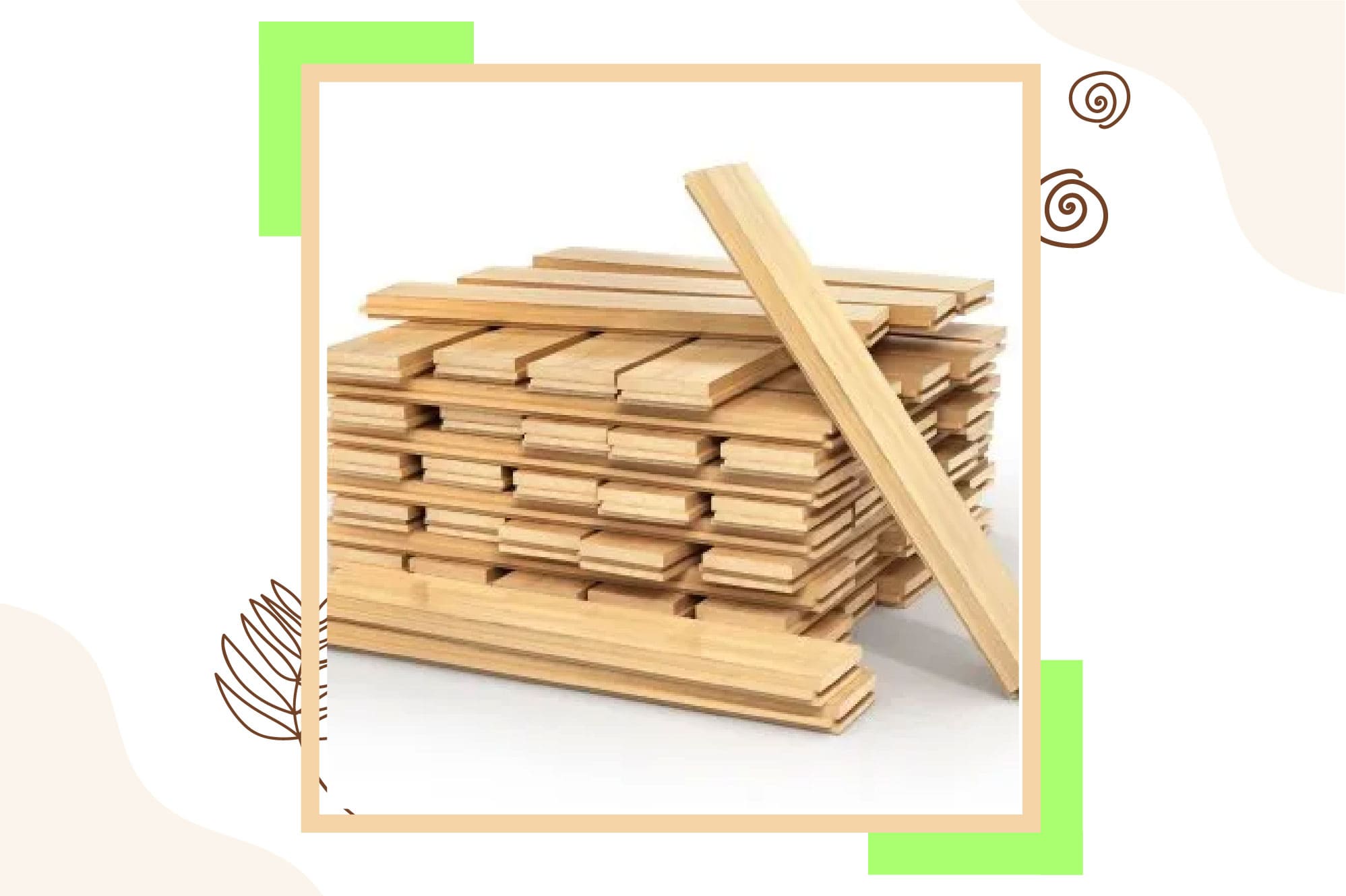
Wooden Material: Perfect for Durable and Versatile Packaging and Furniture

What is Wooden Material?

Wooden Material refers to natural or engineered wood used in manufacturing furniture, packaging, and other structural products. Known for its strength, durability, and aesthetic appeal, wooden material is widely used in crates, pallets, boxes, and furniture. For businesses, wooden material offers a reliable, eco-friendly, and versatile solution for packaging, storage, and interior applications.

Material Used in Wooden Material

The composition of wooden material ensures durability and versatility:

  • Natural Wood – Hardwood or softwood sourced sustainably
  • Engineered Wood – MDF, plywood, or particle board for uniform strength
  • Eco-Friendly Adhesives – For bonding engineered wood layers
  • Optional Finishes – Laminations, varnishes, or coatings for protection and aesthetics

How is Wooden Material Made?

The production and preparation of wooden material includes multiple careful steps:

1. Wood Sourcing – Timber is collected from sustainable or certified sources

2. Cutting – Logs are sawn into boards or sheets of required dimensions

3. Drying – Wood is dried to reduce moisture content and prevent warping

4. Processing – Engineered wood like MDF or plywood is produced by bonding fibers or layers

5. Finishing – Boards are sanded, polished, or coated for smooth surfaces

6. Conversion – Cut and shaped into packaging boxes, pallets, or furniture components

Product and Usage of Wooden Material

Wooden material is versatile and widely used across packaging and furniture:

  • Packaging – Crates, pallets, and boxes for heavy goods and industrial transport
  • Furniture – Tables, shelves, cabinets, and storage units
  • Storage Solutions – Strong and reusable wooden boxes for warehouses
  • Industrial and Craft Applications – Decorative items, boards, and DIY projects

With its natural strength and durability, wooden material provides protection and longevity for a wide range of applications.

Recycling After Usage

Wooden material can be recycled or repurposed efficiently:

  • Clean Wood – Can be reprocessed into particle boards or MDF/li>
  • Scraps – Used for fuel, mulch, or industrial applications
  • Repurposing – Reused in furniture, crates, or craft projects

Recycling and repurposing wooden material reduces waste and supports sustainable practices

Reproduction After Recycling

After recycling, wooden material can be transformed into:

  • MDF, Plywood, or Particle Boards
  • Wooden Crates and Packaging Solutions
  • Furniture Components and Decorative Items
  • Industrial and Craft Products

This recycling process reduces environmental impact and promotes sustainable use of wood resources.

Why Wooden Material is Perfect for Packaging and Furniture

  • Strong and Durable – Provides long-lasting support for heavy goods
  • Versatile – Suitable for furniture, packaging, and industrial applications
  • Eco-Friendly – Can be sourced sustainably and recycled
  • Aesthetic Appeal – Natural look and finish for premium presentation
  • Cost-Effective – Durable and reusable solution for businesses

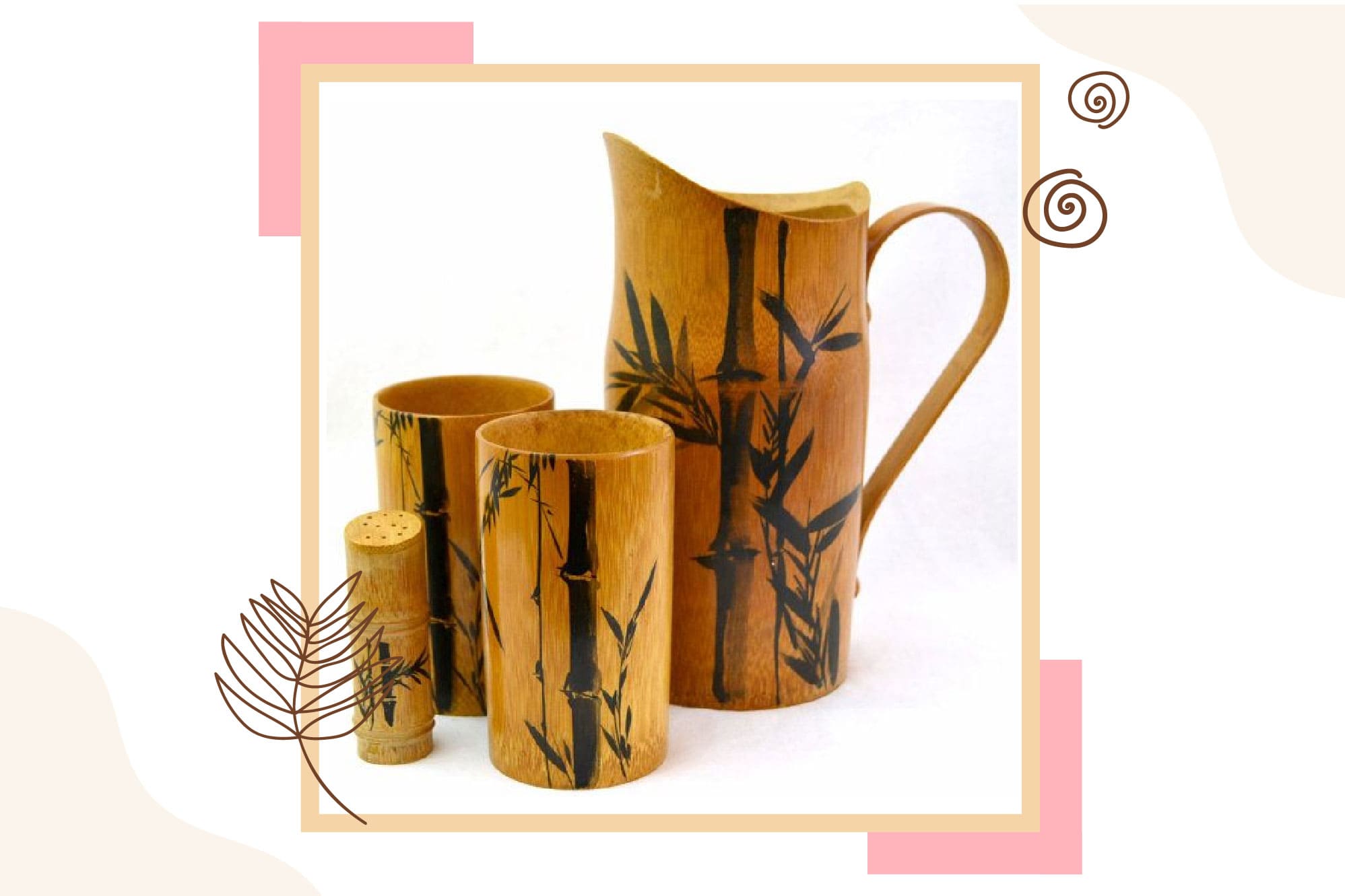
Bamboo Material: Perfect for Eco-Friendly and Durable Packaging

What is Bamboo Material?

Bamboo Material is a sustainable, strong, and lightweight material derived from fast-growing bamboo plants. Known for its flexibility, durability, and natural aesthetic, bamboo is widely used in packaging, home products, and eco-friendly alternatives to plastic and wood. For businesses, bamboo material offers a renewable, cost-effective, and environmentally responsible solution for packaging and product design.

Material Used in Bamboo Material

The composition of bamboo material ensures strength and sustainability:

  • Natural Bamboo – Harvested from fast-growing, renewable bamboo plants
  • Eco-Friendly Adhesives – Used for binding bamboo strips or fibers
  • Optional Treatments – Water-based coatings or varnishes for durability
  • Minimal Processing – Maintains natural texture and eco-safety

How is Bamboo Material Made?

The production process of bamboo material includes multiple careful steps:

1. Harvesting – Mature bamboo stems are collected sustainably

2. Cutting – Bamboo is sliced or split into strips or fibers

3. Drying – Bamboo is dried to reduce moisture and prevent cracking

4. Processing – Strips are woven, laminated, or pressed into sheets or boards

5. Finishing – Surfaces are polished, coated, or treated for durability

6. Conversion – Processed bamboo is used to create packaging, trays, and other products

Product and Usage of Bamboo Material

Bamboo material is versatile and widely used in eco-friendly packaging and products:

  • Food Packaging – Plates, trays, and containers for sustainable serving
  • Retail Packaging – Boxes, wraps, and trays for premium products
  • Home and Lifestyle – Decorative trays, mats, and storage solutions
  • Industrial Applications – Protective inserts and eco-friendly alternatives to wood or plastic

With its natural strength and lightweight nature, bamboo material provides a durable and visually appealing packaging solution.

Recycling After Usage

Bamboo material can be recycled or composted efficiently:

  • Biodegradable – Naturally decomposes if untreated
  • Industrial Recycling – Can be processed into bamboo fiber product
  • Repurposing – Reused in crafts, trays, or small packaging solutions

Recycling bamboo reduces environmental impact and promotes a circular economy.

Reproduction After Recycling

After recycling, bamboo material can be transformed into:

  • Bamboo Fiber Boards or Sheets
  • Eco-Friendly Packaging and Trays
  • Craft and Decorative Items
  • Biodegradable Industrial Products

This recycling and repurposing process supports sustainability and reduces waste.

Why Bamboo Material is Perfect for Packaging and Eco-Friendly Products

  • Sustainable and Renewable – Fast-growing bamboo conserves natural resources
  • Strong and Durable – Provides reliable support and protection
  • Lightweight – Easy to handle, transport, and store
  • Eco-Friendly and Biodegradable – Reduces plastic and wood usage
  • Versatile – Suitable for packaging, trays, decorative items, and industrial applications

Tin Material: Perfect for Durable and Safe Packaging Solutions

What is Tin Material?

Tin Material is a lightweight, corrosion-resistant metal used for packaging, storage, and industrial applications. Known for its durability, recyclability, and protective qualities, tin is widely used for cans, containers, and decorative packaging. For businesses, tin material provides a strong, safe, and eco-friendly solution for packaging products while maintaining their quality and shelf life.

Material Used in Tin Material

The composition of tin material ensures strength and safety:

  • Tin-Coated Steel – Primary material providing corrosion resistance
  • Pure Tin Layer – Ensures food safety and protection from contamination
  • Optional Coatings – Food-safe or decorative coatings for printing and finishing
  • Minimal Chemical Use – Maintains eco-friendly and recyclable properties

How is Tin Material Made?

The production process of tin material includes several precise steps:

1. Steel Preparation – Steel sheets are cleaned and prepared for tin coating

2. Tin Coating – Sheets are coated with tin through electroplating or hot-dip methods

3. Cutting and Shaping – Sheets are cut and shaped into cans, containers, or packaging

4. Printing and Decoration – Designs, labels, or brand logos are applied

5. Seaming or Assembly – Sheets are folded or assembled into final containers

6. Quality Check – Ensures strength, safety, and durability of tin packaging

Product and Usage of Tin Material

Tin material is widely used for packaging, storage, and industrial purposes:

  • Food Packaging – Cans for beverages, preserves, and dry food products
  • Industrial Storage – Containers for chemicals, oils, and other materials
  • Gift and Promotional Packaging – Decorative tin boxes and jars
  • Household Products – Storage tins for tea, coffee, and other items

With corrosion resistance and strength, tin material ensures safe storage while maintaining an attractive appearance.

Recycling After Usage

Tin material can be efficiently recycled after use:

  • Clean Tins – Re-melted and processed into new tin or steel sheets
  • Industrial Recycling – Mixed metal waste converted into reusable tin products
  • Environmental Benefit – Recycling reduces mining and conserves natural resources

Recycling tin reduces environmental impact and supports sustainable manufacturing

Reproduction After Recycling

After recycling, tin material can be transformed into:

  • New Food and Beverage Cans
  • Industrial Containers and Storage Solutions
  • Decorative Packaging and Promotional Items
  • Metal Sheets for Manufacturing and Craft Uses

This recycling process promotes sustainability, reduces waste, and conserves resources.

Why Tin Material is Perfect for Packaging and Storage

  • Durable and Corrosion-Resistant – Protects products from damage and contamination
  • Safe for Food and Beverages – Maintains product quality and hygiene
  • Recyclable and Eco-Friendly – Supports sustainable packaging initiatives
  • Lightweight yet Strong – Easy to handle and transport
  • Versatile – Suitable for industrial, household, and decorative applications

Glass Material: Clear, Strong, and Reusable for Safe and Stylish Packaging

What is Glass Material?

Glass Material is a transparent, non-porous, and recyclable material widely used in packaging, storage, and decorative applications. Known for its strength, clarity, and chemical resistance, glass is ideal for preserving the quality of food, beverages, cosmetics, and other products. For businesses, glass material provides a premium, safe, and eco-friendly solution for packaging and product presentation.

Material Used in Glass Material

The composition of glass material ensures durability and clarity:

  • Silica Sand – Primary ingredient forming the glass structure
  • Soda Ash and Limestone – Helps reduce melting temperature and improve durability
  • Colorants – Optional natural or synthetic additives for tinted glass
  • Minimal Chemicals – Ensures food and product safety

How is Glass Material Made?

The production process of glass material includes several precise steps:

1. Raw Material Preparation – Silica, soda ash, limestone, and additives are measured

2. Melting – Materials are heated at high temperatures to form molten glass

3. Forming – Molten glass is shaped into bottles, jars, or containers using molds

4. Annealing – Glass is cooled gradually to remove internal stresses and increase strength

5. Finishing – Surfaces are polished, coated, or printed for branding

6. Quality Check – Ensures clarity, durability, and safety of glass packaging

Product and Usage of Glass Material

Glass material is highly versatile and widely used across industries:

  • Food and Beverage Packaging – Bottles, jars, and containers for liquids, sauces, and preserves
  • Cosmetics and Personal Care – Premium bottles and jars for creams, perfumes, and oils
  • Pharmaceutical Packaging – Safe and hygienic containers for medicines
  • Decorative and Industrial Use – Glass jars, vases, and craft items

With its transparency, durability, and premium look, glass material enhances product presentation while providing safe storage.

Recycling After Usage

Glass material can be recycled efficiently after use:

  • Clean Glass – Melted and reformed into new bottles, jars, or sheets
  • Colored Glass – Separated and processed into new decorative or industrial glass products
  • Environmental Benefit – Recycling reduces raw material consumption and energy usage

Recycling glass promotes sustainability and reduces landfill waste.

Reproduction After Recycling

After recycling, glass material can be transformed into:

  • New Bottles, Jars, and Containers
  • Glass Sheets for Windows and Decorative Items
  • Craft and Industrial Glass Products
  • Laboratory and Pharmaceutical Glassware

This recycling process conserves natural resources, reduces energy consumption, and supports eco-friendly manufacturing.

Why Glass Material is Perfect for Packaging and Storage

  • Durable and Non-Porous – Preserves product quality and hygiene
  • Transparent and Elegant – Enhances product visibility and premium appeal
  • Eco-Friendly and Recyclable – Supports sustainable packaging initiatives
  • Chemically Resistant – Safe for food, beverages, and chemicals
  • Versatile – Suitable for packaging, decorative, industrial, and pharmaceutical applications

Non Woven Fabric: A Reliable Choice for Shopping Carry Bags

What is Non Woven Fabric?

Non woven fabric is a versatile and eco-conscious material widely used for packaging and shopping carry bags. Unlike traditional woven fabrics, it is made directly from fibers bonded together using heat, chemical, or mechanical treatment, eliminating the need for weaving or knitting. Known for its strength, breathability, and reusability, non woven fabric has become one of the most popular alternatives to single-use plastic. Businesses and retailers prefer non woven carry bags as they are durable, lightweight, and recyclable, making them a smart choice for sustainable packaging.

Material Used in Non Woven Fabric

The material composition of non woven fabric provides durability and eco-friendliness:

  • Polypropylene (PP) – The primary material, lightweight and recyclable.
  • Additives – To enhance UV resistance and strength.
  • Food-grade Inks – For safe printing and branding.
  • Lamination Options – Water-based coating for extra durability.

How is Non Woven Fabric Made?

The production process of non woven fabric shopping bags includes advanced and eco-conscious steps:

1. Fiber Preparation – Polypropylene granules are melted and converted into fibers.

2. Web Formation – Fibers are layered into a web-like structure.

3. Bonding – Heat, pressure, or chemical treatment bonds the fibers together.

4. Sheet Conversion – The bonded fabric is pressed and rolled into sheets.

5. Bag Manufacturing – Sheets are cut, folded, and stitched or welded into carry bags.

6. Printing & Branding – Custom logos and designs are added using eco-friendly inks.

Product & Usage of Non Woven Fabric Bags

Non woven fabric is versatile and widely adopted across industries for carry bags and packaging:

  • Retail & Shopping – Widely used in supermarkets, clothing stores, and exhibitions.
  • Food & Beverage – Carry bags for bakeries, restaurants, and takeaways.
  • Healthcare – Packaging for disposable masks, gowns, and medical supplies.
  • Events & Promotions – Customized branded bags for giveaways and exhibitions.

With strong reusability and elegant designs, non woven shopping bags provide a stylish yet sustainable option for businesses and consumers.

Recycling After Usage

Non woven fabric bags can be reused and recycled effectively:

  • Clean Bags – Reprocessed into new non woven sheets or fabric rolls
  • Damaged Bags – Can be shredded and melted for recycling into new products
  • Industrial Recycling – Polypropylene is recovered and reused in packaging applications

Reproduction After Recycling

After recycling, non woven fabric can be converted into:

  • New Non Woven Shopping Carry Bags
  • Packaging Rolls and Sheets
  • Household Items such as mats and covers
  • Industrial Materials like insulation fabric
  • Agricultural Sheets and Protective Covers

This recycling cycle reduces waste, conserves resources, and promotes sustainable packaging solutions.

Why Non Woven Fabric is Perfect for Shopping Carry Bags

  • Strong and durable – Ideal for carrying heavy products.
  • Lightweight and reusable – Convenient for daily use.
  • Eco-friendly and recyclable – Reduces plastic pollution.
  • Customizable – Easy to print brand logos and designs.
  • Cost-effective – Affordable choice for bulk packaging.
  • Stylish appearance – Modern look for premium retail packaging.
  • Water-resistant – Protects items from moisture.
  • Long-lasting – Encourages repeated use by customers.

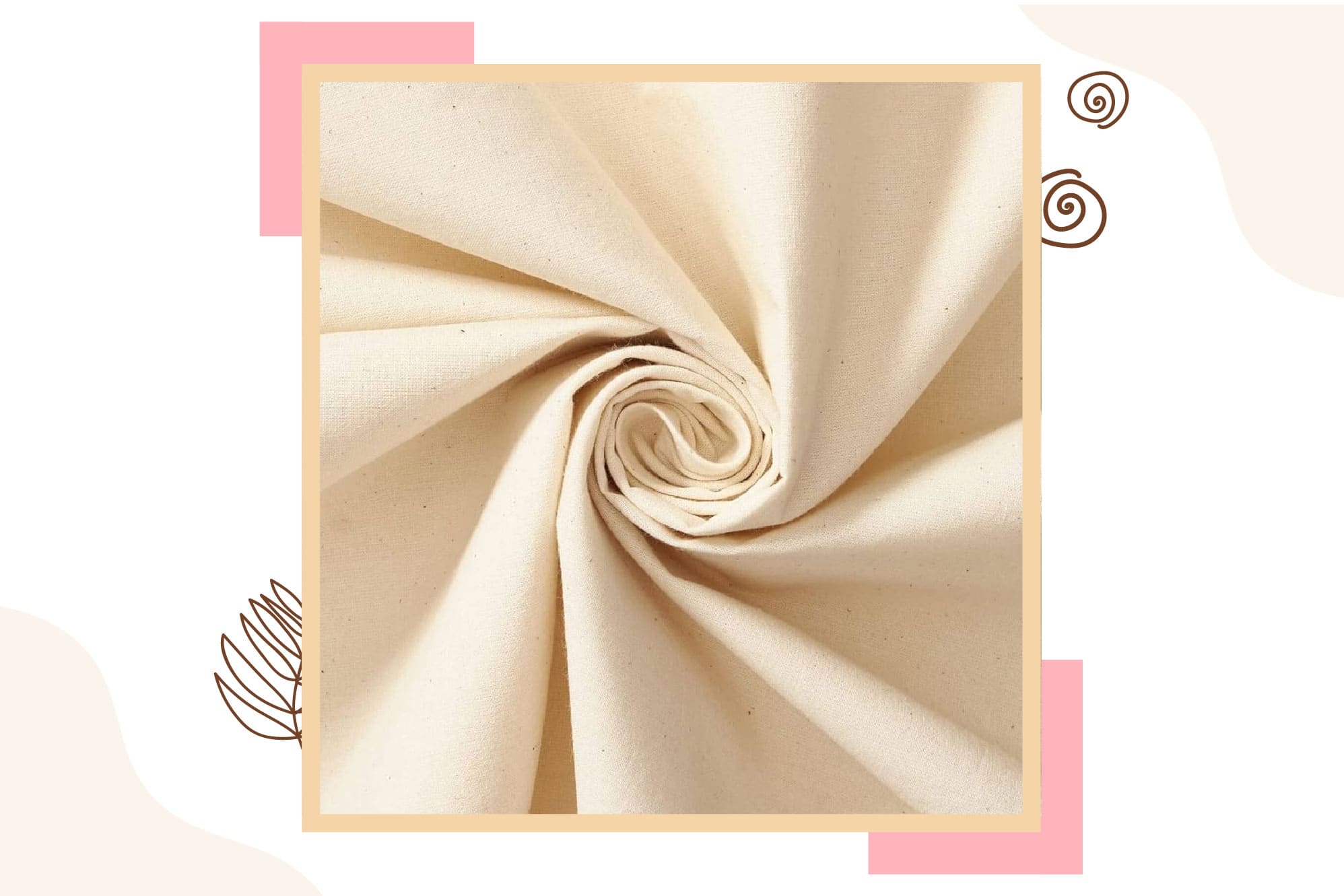
Cotton Fabric: A Sustainable Choice for Shopping Carry Bags

What is Cotton Fabric?

Cotton fabric is a natural and biodegradable textile material made from the fibers of the cotton plant. Known for its softness, strength, and eco-friendliness, it has been one of the most widely used fabrics across the world. For packaging and retail businesses, cotton fabric carry bags have become a sustainable alternative to plastic and synthetic materials. They are durable, washable, and reusable, making them ideal for eco-conscious brands and consumers who prefer long-lasting shopping carry bags.

Material Used in Cotton Fabric

The material composition of cotton fabric ensures strength, breathability, and sustainability:

  • Natural Cotton Fibers – Main base material derived from the cotton plant.
  • Organic Cotton Options – Free from harmful chemicals and pesticides.
  • Eco-friendly Inks – Used for safe branding and printing.
  • Natural Dyes – Plant-based colors for sustainable bag designs.

How is Cotton Fabric Made?

The making process of cotton fabric shopping bags includes multiple natural and eco-friendly steps:

1. Harvesting – Cotton fibers are collected from cotton plants.

2. Ginning – Seeds are separated from the cotton fibers.

3. Spinning – Fibers are spun into yarns.

4. Weaving or Knitting – Yarns are woven into fabric sheets.

5. Bag Conversion – Fabric is cut, stitched, and shaped into shopping bags.

6. Printing & Branding – Designs or logos are added using natural or eco inks.

Product & Usage of Cotton Fabric Bags

Cotton fabric carry bags are versatile, stylish, and durable, making them suitable for a wide range of uses:

  • Retail & Shopping – Perfect for clothing stores, supermarkets, and premium outlets.
  • Food & Beverages – Used for cafés, grocery shopping, and farmers’ markets.
  • Gifting & Events – Customized cotton bags for promotions and eco-friendly giveaways.
  • Everyday Use – Ideal as multipurpose carry bags for books, groceries, or personal items.

With their premium look and long life, cotton shopping bags also enhance brand visibility while promoting sustainability.

Recycling After Usage

Cotton fabric bags can be recycled or repurposed after use:

  • Clean Bags – Recycled into cotton fibers for making new products.
  • Repurposed – Old bags can be reused as cleaning cloths or storage covers.
  • Industrial Recycling – Cotton waste is processed into recycled textiles.

Reproduction After Recycling

After recycling, cotton fabric is transformed into:

  • New Cotton Carry Bags
  • Recycled Textile Fabrics
  • Cleaning Cloths and Household Items
  • Insulation Materials
  • Paper and Packaging Products made from cotton fibers

This recycling process reduces textile waste, conserves natural resources, and promotes eco-friendly living.

Why Cotton Fabric is Perfect for Shopping Carry Bags

  • 100% natural and biodegradable – Safe for the environment.
  • Durable and washable – Long-lasting for repeated use.
  • Soft and breathable – Comfortable to carry.
  • Stylish and customizable – Easily printed with logos and designs.
  • Eco-friendly – Reduces dependency on plastic bags
  • Multipurpose – Suitable for both retail and personal use.
  • Strong enough to carry heavy products.
  • Promotes sustainable lifestyle choices.

Khadi Fabric: A Traditional and Sustainable Choice for Shopping Carry Bags

What is Khadi Fabric?

Khadi fabric is a handspun and handwoven textile made primarily from natural fibers such as cotton, silk, or wool. It is deeply rooted in Indian heritage and is celebrated for its eco-friendliness, breathability, and durability. Unlike machine-made textiles, Khadi fabric is crafted by artisans using traditional spinning wheels and looms, making it a symbol of sustainability and self-reliance. For shopping carry bags, Khadi fabric provides a premium, reusable, and eco-conscious alternative that blends tradition with modern utility.

Material Used in Khadi Fabric

The material composition of Khadi fabric ensures comfort, sustainability, and natural strength:

  • Pure Cotton Fibers – Most common base for Khadi bags.
  • Silk and Wool Blends – For a premium and elegant finish.
  • Natural Dyes – Plant-based or organic dyes for safe coloring.
  • Eco-friendly Inks – Used for printing and branding on Khadi bags

How is Khadi Fabric Made?

The making process of Khadi fabric shopping bags involves traditional and eco-friendly methods:

1. Fiber Preparation – Cotton, silk, or wool fibers are collected.

2. Hand Spinning – Fibers are spun into yarns using a charkha (spinning wheel).

3. Hand Weaving – Yarns are woven into fabric on handlooms.

4. Finishing – Fabric is washed, softened, and treated naturally.

5. Bag Conversion – Fabric is cut, stitched, and shaped into durable carry bags.

6. Printing & Branding – Custom designs or logos are added with eco-friendly inks.

Product & Usage of Khadi Fabric Bags

Khadi bags are widely valued for their cultural significance, durability, and eco-conscious nature:

  • Retail & Shopping – Popular in clothing stores, boutiques, and exhibitions
  • Corporate & Events – Used as premium gifting or promotional carry bags.
  • Food & Grocery – Ideal for eco-conscious consumers in daily use
  • Lifestyle & Fashion – Stylish tote bags that represent sustainable living.

Khadi shopping bags not only serve practical needs but also reflect a brand’s commitment to heritage and sustainability.

Recycling After Usage

Khadi fabric bags are fully biodegradable and can be recycled or repurposed:

  • Clean Bags – Recycled into fibers for new fabric production.
  • Repurposed – Old bags can be converted into household items like covers or pouches.
  • Compostable – Pure Khadi fabric without blends can decompose naturally.

Reproduction After Recycling

After recycling, Khadi fabric can be transformed into:

  • New Khadi Shopping Carry Bags
  • Recycled Textiles and Garments
  • Home Décor Items like cushion covers and mats
  • Paper and Eco-friendly Packaging Materials

This closed-loop system reduces textile waste and supports sustainable living.

Why Khadi Fabric is Perfect for Shopping Carry Bags

  • 100% natural and biodegradable – Safe for the environment.
  • Handspun and handwoven – Supports artisans and traditional craftsmanship.
  • Durable and long-lasting – Strong enough for repeated use.
  • Premium appearance – Stylish, cultural, and eco-conscious.
  • Comfortable and breathable – Lightweight to carry.
  • Customizable – Easy to design with prints and logos.
  • Symbol of sustainability – Promotes eco-friendly and handmade products
  • Encourages local craftsmanship and ethical fashion.

Jute Fabric: A Natural and Eco-Friendly Choice for Shopping Carry Bag

What is Jute Fabric?

Jute fabric is a strong and biodegradable textile made from the stalks of the jute plant. Known as the “Golden Fiber,” jute is valued for its natural luster, durability, and eco-friendliness. It is one of the most affordable and sustainable natural fibers, making it a popular choice for shopping carry bags. Unlike plastic, jute is fully compostable and recyclable, making it an ideal packaging solution for eco-conscious businesses and consumers.

Material Used in Jute Fabric

The material composition of jute fabric ensures natural strength and sustainability:

  • Pure Jute Fibers – Derived from the stalks of the jute plant.
  • Blended Jute – Sometimes mixed with cotton for softer textures.
  • Natural Dyes – Plant-based dyes for coloring the fabric.
  • Eco-friendly Inks – Used for branding and printing on jute bags.

How is Jute Fabric Made?

The making process of jute fabric shopping bags involves natural and eco-friendly steps:

1. Harvesting – Jute plants are cut and stalks are collected.

2. Retting – Fibers are separated by soaking the stalks in water.

3. Spinning – Extracted fibers are spun into strong yarns.

4. Weaving – Yarns are woven into jute fabric sheets.

5. Bag Conversion – Fabric is cut, stitched, and shaped into carry bags.

6. Printing & Branding – Eco inks or screen printing is used for customization.

Product & Usage of Jute Fabric Bags

Jute fabric bags are popular for their strength, natural look, and eco-friendly appeal:

  • Retail & Shopping – Widely used in supermarkets, clothing stores, and exhibitions.
  • Corporate & Events – Branded jute bags for promotions and gifting.
  • Food & Grocery – Perfect for farmers’ markets and daily shopping.
  • Lifestyle & Fashion – Stylish totes and multipurpose carry bags.

With their rustic yet premium appearance, jute shopping bags are both functional and fashionable.

Recycling After Usage

Jute fabric bags can be recycled, repurposed, or composted:

  • Clean Bags – Recycled into new jute products or packaging.
  • Repurposed – Old bags reused as storage covers or household items.
  • Compostable – 100% pure jute decomposes naturally without harming the environment.

Reproduction After Recycling

After recycling, jute fabric can be transformed into:

  • New Jute Shopping Carry Bags
  • Carpets, Mats, and Rug
  • Packaging Materials and Ropes
  • Handmade Paper and Eco Stationery
  • Agricultural Sheets and Soil Protectors

This recycling cycle reduces waste and encourages sustainable living.

Why Jute Fabric is Perfect for Shopping Carry Bags

  • 100% natural and biodegradable – Safe for the planet.
  • Strong and durable – Ideal for heavy loads.
  • Stylish and rustic appearance – Enhances brand image.
  • Reusable and long-lasting – Reduces single-use packaging.
  • Eco-friendly – Plastic-free and compostable.
  • Affordable and widely available – Economical for bulk use.
  • Customizable – Easy to print and brand with logos.
  • Supports sustainable and ethical practices.

Juco Fabric: A Perfect Blend of Jute and Cotton for Shopping Carry Bags

What is Juco Fabric?

Juco fabric is an eco-friendly textile made by blending natural jute and cotton fibers. It combines the durability of jute with the softness of cotton, creating a fabric that is strong, versatile, and aesthetically appealing. Juco is becoming increasingly popular in the packaging industry, especially for shopping carry bags, as it offers a stylish look, longer life span, and sustainable alternative to plastic. Businesses prefer Juco carry bags because they are reusable, customizable, and perfectly balance strength with elegance.

Material Used in Juco Fabric

The material composition of Juco fabric ensures quality, durability, and sustainability:

  • Jute Fibers – Provide strength and natural texture.
  • Cotton Fibers – Add softness and flexibility to the fabric.
  • Natural Dyes – Plant-based dyes for eco coloring.
  • Eco-friendly Inks – Used for printing and branding designs.

How is Juco Fabric Made?

The making process of Juco fabric shopping bags blends natural fibers in a sustainable way:

1. Fiber Collection – Jute stalks and cotton bolls are harvested.

2. Processing – Jute fibers are retted, and cotton fibers are cleaned and spun.

3. Blending – Jute and cotton fibers are combined in specific ratios.

4. Weaving – Fibers are woven together to form Juco fabric sheets.

5. Bag Conversion – Fabric is cut, stitched, and finished into durable carry bags.

6. Printing & Branding – Customized logos and designs are added with eco-friendly inks.

Product & Usage of Juco Fabric Bags

Juco fabric bags are highly versatile and widely used across industries:

  • Retail & Shopping – Popular in supermarkets, boutiques, and premium outlets.
  • Food & Grocery – Ideal for farmers’ markets and daily shopping.
  • Corporate & Events – Stylish branded Juco bags for promotions and gifting.
  • Lifestyle & Fashion – Durable tote bags with a modern, eco-friendly appeal.

Juco shopping bags are long-lasting and reflect a brand’s commitment to sustainability.

Recycling After Usage

Juco fabric bags can be reused, recycled, and composted depending on their composition:

  • Clean Bags – Recycled into fibers for making new fabrics.
  • Repurposed – Old bags reused as storage covers or household items.
  • Compostable – Pure Juco with minimal blends decomposes naturally.

Reproduction After Recycling

After recycling, Juco fabric can be transformed into:

  • New Juco Shopping Carry Bags
  • Recycled Textile Fabrics and Home Décor
  • Packaging Sheets and Wrapping Materials
  • Paper and Eco Stationery from fiber blends
  • Household Products like mats and covers

This recycling process helps reduce textile waste and supports eco-friendly living.

Why Juco Fabric is Perfect for Shopping Carry Bags

  • Strong and durable – Combines the toughness of jute with the softness of cotton.
  • Eco-friendly and biodegradable – Safe for the environment.
  • Reusable and long-lasting – Encourages sustainable habits.
  • Stylish and premium appearance – Ideal for retail and gifting.
  • Customizable – Easy to brand with logos and designs.
  • Breathable and natural – Comfortable for everyday use.
  • Multipurpose – Suitable for shopping, promotions, or lifestyle bags.
  • Cost-effective – Offers durability and value for businesses..

Burlap Fabric: Rustic Charm and Eco-Friendly Solutions for Everyday Life

What is Burlap Fabric?

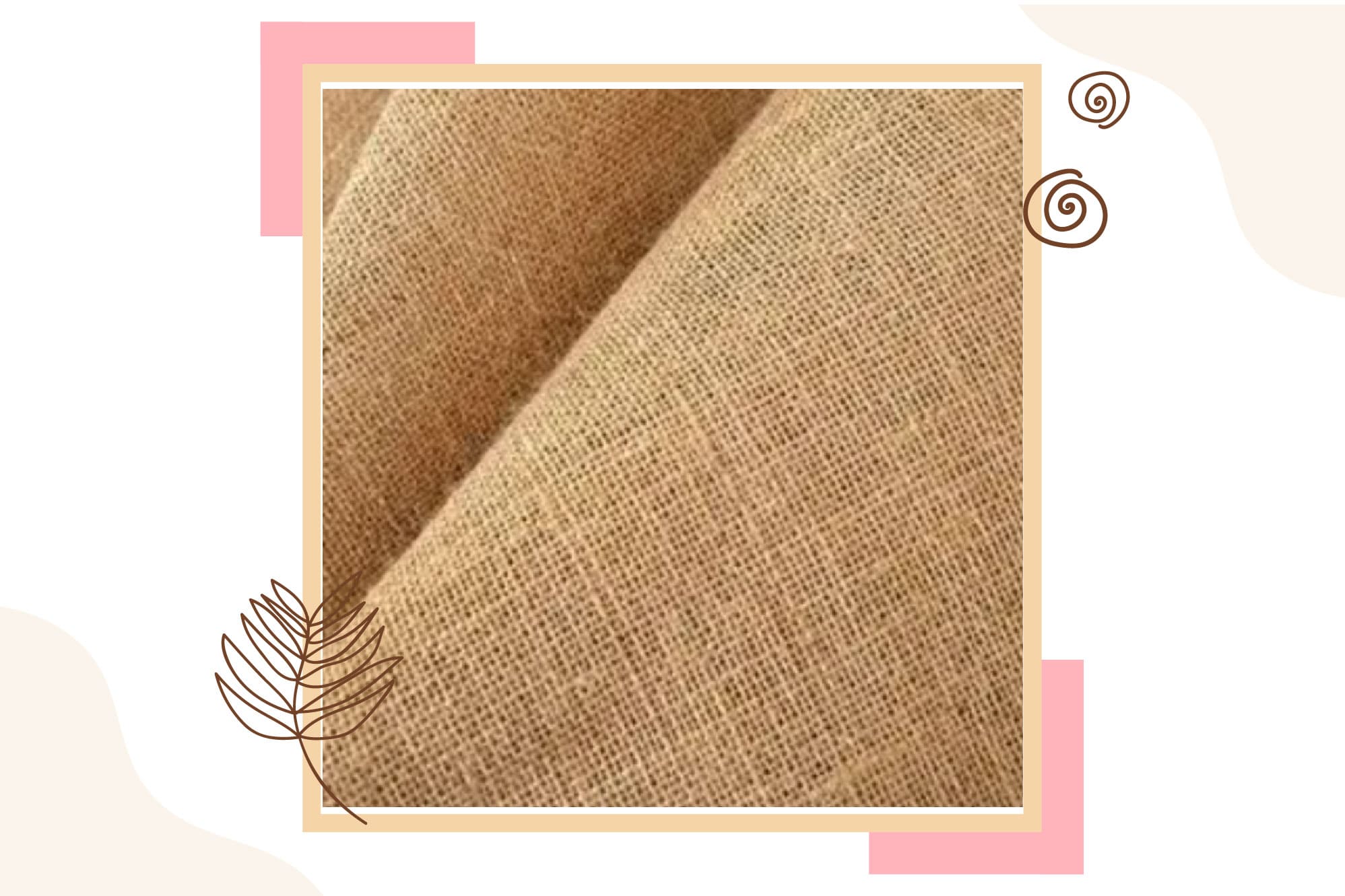
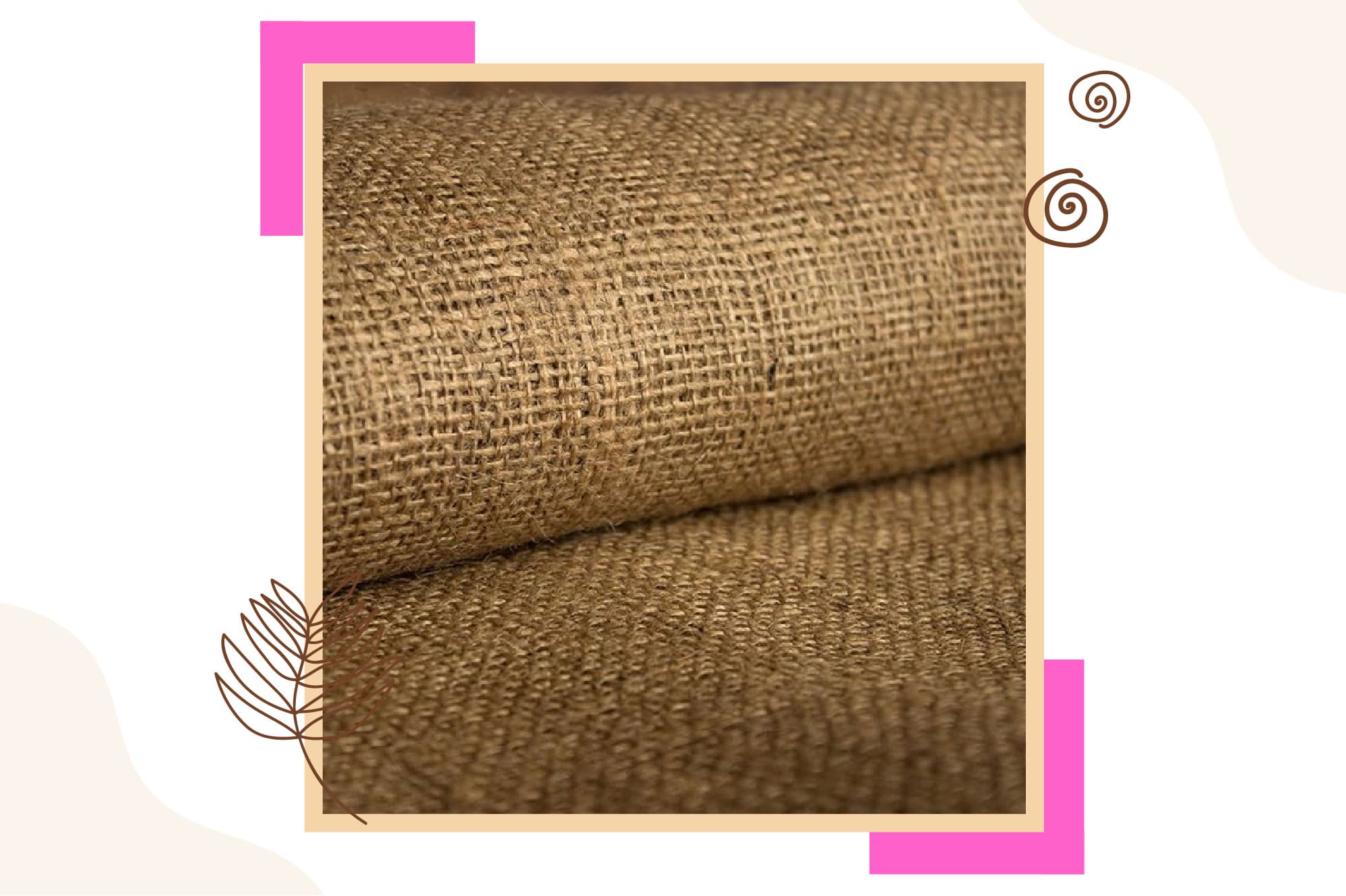
Burlap fabric, also known as hessian cloth, is a coarse woven material made from natural jute or hemp fibers. It is highly durable, biodegradable, and breathable, making it an eco-friendly alternative to synthetic packaging. Traditionally used for sacks and storage, burlap has gained popularity in recent years for making stylish and reusable shopping carry bags. With its rustic texture and natural appearance, burlap fabric combines sustainability with a unique aesthetic appeal.

Material Used in Burlap Fabric

The material composition of burlap fabric ensures strength, breathability, and eco-friendliness:

  • Pure Jute or Hemp Fibers – Primary material providing toughness.
  • Blended Fibers – Sometimes mixed with cotton for flexibility.
  • Natural Dyes – Plant-based dyes for safe coloring.
  • Eco-friendly Inks – Used for printing and branding designs.

How is Burlap Fabric Made?

The making process of burlap fabric shopping bags follows natural and traditional steps:

1. Harvesting – Jute or hemp plants are cut and stalks are collected.

2. Retting – Stalks are soaked in water to separate fibers.

3. Spinning – Extracted fibers are spun into coarse yarns.

4. Weaving – Yarns are woven into a loosely structured burlap fabric.

5. Bag Conversion – Fabric is cut, stitched, and shaped into carry bags.

6. Printing & Branding – Rustic designs or logos added with eco-friendly inks.

Product & Usage of Burlap Fabric Bags

Burlap bags are versatile and widely used across industries for eco packaging:

  • Retail & Shopping – Popular in supermarkets, boutiques, and craft stores.
  • Food & Grocery – Ideal for potatoes, coffee, grains, and farmers’ markets.
  • Events & Gifting – Rustic gift bags for eco-conscious celebrations.
  • Lifestyle & Fashion – Used as tote bags and decorative accessories.

Burlap shopping bags stand out for their natural, earthy appeal while being strong and reusable.

Recycling After Usage

Burlap fabric bags can be easily recycled or composted after use:

  • Clean Bags – Recycled into jute fibers for new fabric.
  • Repurposed – Old bags reused for storage, crafts, or gardening.
  • Compostable – 100% natural burlap decomposes quickly without harming the environment.

Reproduction After Recycling

After recycling, burlap fabric can be converted into:

  • New Burlap Shopping Carry Bags
  • Home Décor Items like cushion covers and rugs
  • Ropes, Twines, and Mats
  • Recycled Paper and Packaging Materials
  • Agricultural Products such as soil covers and plant liners

This process reduces waste and promotes sustainable use of natural fibers.

Why Burlap Fabric is Perfect for Shopping Carry Bags

  • 100% natural and biodegradable – Environmentally safe.
  • Strong and durable – Suitable for heavy items.
  • Rustic and stylish – Adds a natural charm to packaging.
  • Reusable and long-lasting – Encourages eco-friendly habits.
  • Breathable – Ideal for storing food and produce.
  • Affordable and widely available – Economical for bulk use.
  • Customizable – Can be printed with eco-friendly inks.
  • Supports sustainable packaging practices.

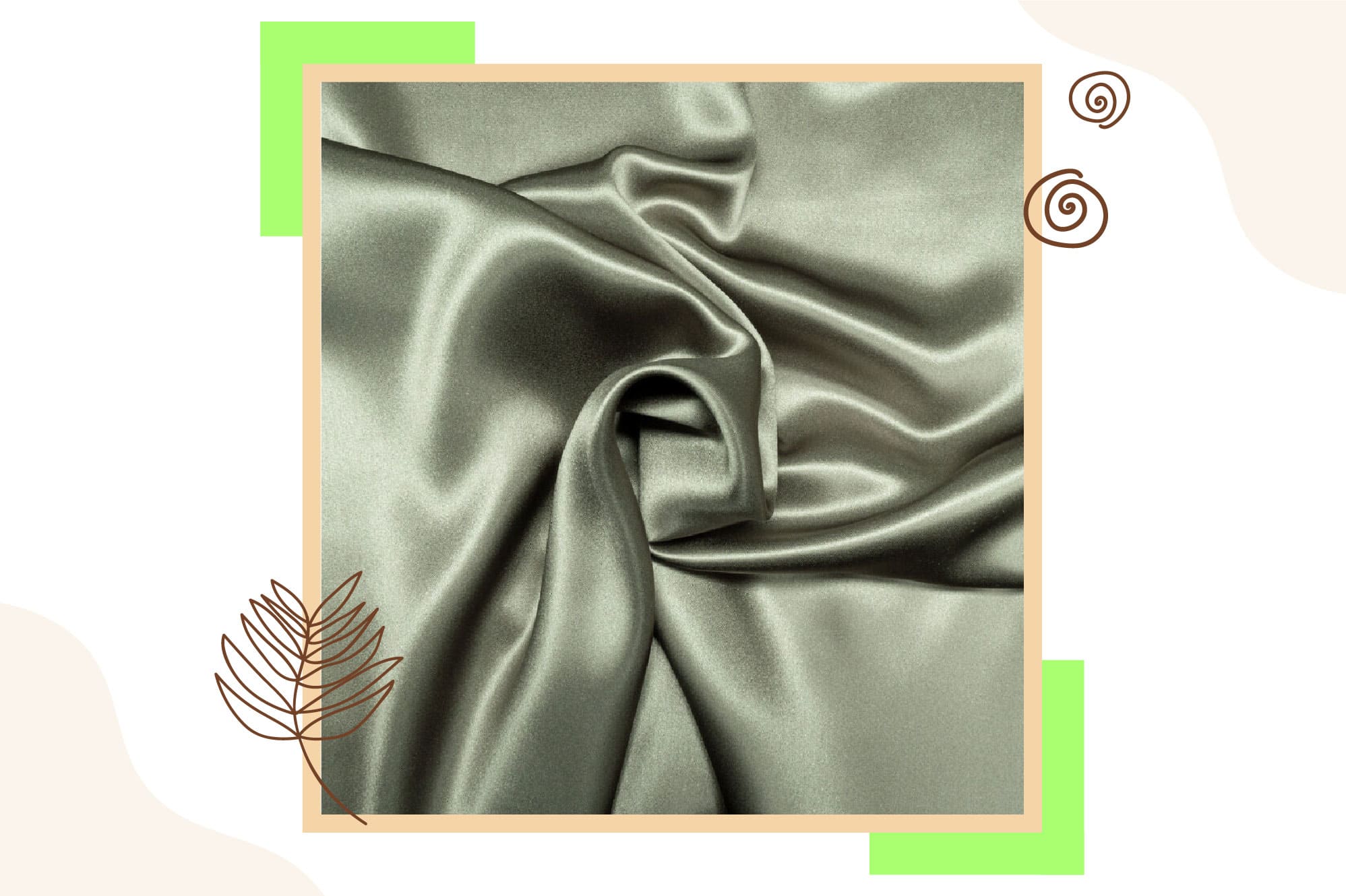
Satin Silk Fabric: Smooth Elegance for Fashion, Gifting, and Decor

What is Satin Silk Fabric?

Satin silk fabric is a smooth, glossy textile made from natural silk fibers or synthetic silk-like materials. Known for its luxurious texture, sheen, and soft touch, satin silk is widely used in fashion, accessories, and premium packaging. For shopping carry bags, satin silk offers a high-end and elegant option, making it ideal for boutiques, gifting, and premium retail. Satin silk carry bags combine style, durability, and reusability, providing businesses with a sophisticated and eco-conscious packaging solution.

Material Used in Satin Silk Fabric

The material composition of satin silk ensures elegance, strength, and durability:

  • Natural Silk Fibers – Primary material for shine and smooth texture.
  • Synthetic Silk Options – Polyester or nylon-based for affordability and durability.
  • Eco-friendly Inks – Used for safe printing and branding.
  • Optional Coatings – Water-based or light lamination for protection and shine.

How is Satin Silk Fabric Made?

The making process of satin silk shopping bags involves careful weaving and finishing techniques:

1. Silk Extraction – Natural silk threads are collected from silkworm cocoons.

2. Spinning – Threads are spun into fine yarns.

3. Weaving – Satin weave is used to produce a smooth and glossy fabric surface.

4. Dyeing – Natural or synthetic dyes are applied for desired colors.

5. Bag Conversion – Fabric is cut, stitched, and finished into carry bags.

6. Printing & Branding – Logos and designs added using eco-friendly methods.

Product & Usage of Satin Silk Fabric Bags

Satin silk bags are ideal for premium and elegant packaging:

  • Retail & Shopping – Used in luxury stores, fashion boutiques, and gift shops.
  • Corporate & Events – Branded satin silk bags for gifting and promotions.
  • Food & Confectionery – Premium gift packaging for chocolates or sweets.
  • Lifestyle & Fashion – Elegant tote bags for weddings, parties, or personal use.

Satin silk shopping bags provide a stylish, durable, and reusable alternative to conventional packaging.

Recycling After Usage

Satin silk bags can be repurposed or recycled depending on their material composition:

  • Natural Silk Bags – Can be reused or upcycled into textiles or accessories.
  • Synthetic Silk Bags – Recycled through textile recycling processes.
  • Repurposed – Old bags can be turned into pouches, gift wraps, or home décor.

Reproduction After Recycling

After recycling, satin silk fabric can be transformed into:

  • New Satin Silk Shopping Carry Bags
  • Fashion Accessories such as scarves, pouches, or gift wraps
  • Textile Products like cushion covers or decorative items
  • Recycled yarn for fabric manufacturing
  • Premium packaging and gift materials

This process supports sustainability while maintaining the premium appeal of satin silk.

Why Jute Fabric is Perfect for Shopping Carry Bags

  • Luxurious and elegant – Ideal for premium retail and gifting.
  • Soft and smooth – Comfortable to carry.
  • Durable and reusable – Long-lasting alternative to single-use packaging.
  • Stylish – Enhances brand image and product appeal.
  • Customizable – Easy to print or emboss with logos.
  • Lightweight yet strong – Convenient for customers.
  • Eco-conscious – Reusable and reduces waste.
  • Versatile – Suitable for fashion, lifestyle, and boutique retail.

Velvet Fabric: Durable and Versatile for Multiple Applications

What is Velvet Fabric?

Velvet Fabric is a soft, luxurious textile known for its smooth pile surface and elegant appearance. Traditionally made from silk, cotton, or synthetic fibers, velvet provides a premium feel while remaining durable for repeated use. For businesses and brands, velvet fabric bags have become a popular choice for high-end shopping carry bags, combining sophistication, strength, and style.

Material Used in Velvet Fabric

The material composition of velvet fabric ensures quality and durability:

  • Silk, Cotton, or Polyester Fibers – Base fibers providing softness and strength.
  • Non-toxic Dyes – Safe for branding and printing purposes.
  • Eco-friendly Finishes – Optional water-based coatings for protection.
  • Reinforced Stitching – Ensures durability for repeated use.

How is Velvet Fabric Made?

The manufacturing process of velvet fabric bags includes multiple careful steps:

1. Fiber Selection – Choosing silk, cotton, or synthetic fibers.

2. Weaving or Knitting – Forming a dense pile surface for softness.

3. Finishing Process – Brushing and steaming for smooth texture.

4. Bag Conversion – Cutting, stitching, and shaping into shopping carry bags.

5. Printing & Embroidery – Adding brand logos or decorative designs safely.

Product & Usage of Velvet Fabric Bags

Velvet fabric is versatile and ideal for premium shopping and gifting:

  • Luxury Retail & Shopping – Perfect for designer boutiques and jewelry stores.
  • Gift Packaging – Elegant bags for weddings, festivals, and special occasions.
  • Promotional & Branding – High-end custom printed velvet bags for premium campaigns.
  • E-commerce Packaging – Enhances the unboxing experience for customers.

Velvet shopping bags offer both aesthetic appeal and functional durability for upscale brands.

Recycling After Usage

Velvet fabric bags can be reused or recycled to minimize environmental impact:

  • Clean Bags – Can be repurposed into new fabric products or accessories.
  • Damaged Bags – Can be recycled into padding, insulation, or industrial textiles.
  • Eco-conscious Disposal – Supports sustainable practices and reduces landfill waste.

Reproduction After Recycling

Recycled velvet fabric can be transformed into:

  • New Velvet Bags or Pouches
  • Soft Home Furnishings – Cushion covers, throws, or upholstery
  • Industrial Textile Products – Padding or insulation materials

This recycling process promotes sustainability while reducing carbon footprint and textile waste.

Why Velvet Fabric is Perfect for Shopping Carry Bags

  • Luxurious & premium feel – Enhances brand perception.
  • Durable & reusable – Suitable for repeated use.
  • Customizable – Ideal for printing, embroidery, or branding.
  • Eco-conscious option – Supports sustainable packaging initiatives.

Polyester Fabric:Luxurious Softness for Premium and Decorative Uses

What is Polyester Fabric?

Polyester Fabric is a synthetic textile made from polymer fibers, known for its strength, durability, and resistance to wrinkles and shrinking. It is lightweight yet sturdy, making it ideal for everyday use. For businesses and brands, polyester fabric bags have become a popular choice for shopping carry bags, offering long-lasting performance, customizability, and cost-effective solutions.

Material Used in Polyester Fabric

The material composition of polyester fabric ensures durability and practicality:

  • Polyester Fibers – Strong and lightweight base material.
  • Non-toxic Dyes – Safe for custom printing and branding.
  • Eco-friendly Finishes – Optional water-based coatings for added protection.
  • Reinforced Stitching – Ensures longevity and resistance to wear.

How is Polyester Fabric Made?

The manufacturing process of polyester fabric bags involves several steps:

1. Polymer Extrusion – Polyester polymers are melted and formed into fibers.

2. Fiber Spinning – Fibers are spun into threads for weaving or knitting.

3. Weaving or Knitting – Threads are formed into durable polyester fabric sheets.

4. Finishing Process – Fabric is dyed, treated, and strengthened.

5. Bag Conversion – Fabric is cut, stitched, and shaped into shopping carry bags.

6. Printing & Branding – Logos, designs, or patterns are added using safe printing methods.

Product & Usage of Polyester Fabric Bags

Polyester fabric is versatile and widely used for shopping and promotional purposes:

  • Retail & Shopping – Ideal for supermarkets, apparel stores, and malls.
  • Events & Gifting – Reusable bags for conferences, exhibitions, and celebrations.
  • E-commerce Packaging – Lightweight and durable for shipping products.
  • Promotional & Branding – Custom printed polyester bags for marketing campaigns.

These bags offer strength and reusability, making them suitable for a wide range of businesses.

Recycling After Usage

Polyester fabric bags can be recycled to minimize environmental impact:

  • Clean Bags – Can be reprocessed into new polyester fibers.
  • Damaged Bags – Can be used for industrial applications or insulation.
  • Eco-conscious Disposal – Supports sustainable production and reduces waste.

Reproduction After Recycling

Recycled polyester fabric is transformed into:

  • New Polyester Shopping Bags
  • Clothing & Accessories – Jackets, hats, or reusable pouches
  • Industrial Products – Insulation, padding, or carpeting

This recycling process reduces landfill waste, promotes sustainability, and extends the life of synthetic materials.

Why Polyester Fabric is Perfect for Shopping Carry Bags

  • Durable & long-lasting – Ideal for repeated use.
  • Lightweight & strong – Easy to carry heavy items.
  • Customizable – Suitable for printing brand logos and designs.
  • Cost-effective & eco-conscious – Affordable, reusable, and sustainable.

Nylon Fabric: Strong, Lightweight, and Long-Lasting for Everyday Needs

What is Nylon Fabric?

Nylon Fabric is a strong, lightweight synthetic textile known for its durability, water resistance, and tear-resistant properties. It is ideal for everyday use and long-lasting shopping carry bags. For businesses and brands, nylon fabric bags have become a popular choice for retail and promotional purposes, combining strength, reusability, and practicality.

Material Used in Nylon Fabric

The material composition of nylon fabric ensures durability and eco-safety:

  • Nylon Fibers – Synthetic fibers providing high strength and flexibility.
  • Non-toxic Dyes – Safe for printing and branding.
  • Optional Coatings – Water-resistant or laminated finishes for extra protection.
  • Reinforced Stitching – Ensures longevity and resistance to wear.

How is Nylon Fabric Made?

The manufacturing process of nylon fabric bags includes multiple steps:

1. Polymer Production – Nylon polymers are synthesized from chemical compounds.

2. Fiber Spinning – Polymers are extruded and spun into durable threads.

3. Weaving or Knitting – Threads are converted into nylon fabric sheets.

4. Finishing Process – Fabric is dyed, treated, and strengthened for durability.

5. Bag Conversion – Sheets are cut, stitched, and shaped into shopping carry bags.

6. Printing & Branding – Logos or designs are added using eco-friendly methods.

Product & Usage of Nylon Fabric Bags

Nylon fabric is versatile and widely used for shopping and promotional purposes:

  • Retail & Shopping – Perfect for supermarkets, clothing stores, and malls.
  • Events & Gifting – Reusable bags for conferences, exhibitions, and celebrations.
  • E-commerce Packaging – Lightweight and durable for shipping products.
  • Promotional & Branding – Custom printed nylon bags for marketing campaigns.

These bags offer long-lasting performance and are ideal for businesses that value strength and reusability.

Recycling After Usage

Nylon fabric bags can be recycled to minimize environmental impact:

  • Clean Bags – Can be reprocessed into new nylon fibers.
  • Damaged Bags – Can be used for industrial products or insulation.
  • Eco-conscious Disposal – Supports sustainable production and reduces landfill waste.

Reproduction After Recycling

Recycled nylon fabric is transformed into:

  • New Nylon Shopping Bags
  • Clothing & Accessories – Jackets, backpacks, and pouches
  • Industrial Products – Ropes, mats, and insulation materials

This recycling process promotes sustainability while reducing synthetic waste.

Why Nylon Fabric is Perfect for Shopping Carry Bags

  • Strong & durable – Can carry heavy items without tearing.
  • Lightweight & water-resistant – Ideal for everyday use.
  • Customizable – Suitable for printing brand logos and designs.
  • Reusable & eco-conscious – Supports sustainable packaging initiatives.

Recycled Material: Sustainable Solutions for Eco-Friendly Packaging

What is Recycled Material?

Recycled Material is an eco-conscious packaging solution created by reprocessing waste from post-consumer and post-industrial sources. Unlike materials made from virgin resources, recycled material reduces the need for new raw inputs, conserving natural resources and minimizing environmental impact. For businesses and brands, products made from recycled material have become a popular choice for packaging, retail, and gifting, offering sustainability, durability, and cost-efficiency.

Material Used in Recycled Material

The composition of recycled material ensures strength, reliability, and environmental safety:

  • Post-Consumer Waste – Used paper, cardboard, or plastics reprocessed into new material.
  • Post-Industrial Waste – Off-cuts and production scraps utilized efficiently.
  • Eco-friendly Inks & Adhesives – For branding and printing while remaining sustainable.
  • Optional Coatings – Biodegradable or water-based coatings for additional protection.

How is Recycled Material Made?

The production of recycled material includes several eco-conscious steps:

1. Collection & Sorting – Waste materials from households, industries, and commercial sources are gathered.

2. Cleaning & Decontamination – Removal of impurities, plastics, or inks

3. Processing & Pulping – Waste is shredded or melted to form reusable raw material.

4. Sheet or Product Formation – Material is pressed, molded, or rolled into sheets or specific shapes.

5. Conversion into Products – Sheets or molded forms are crafted into packaging, bags, or containers.

6. Printing & Branding – Eco-friendly methods add logos, designs, or labels.

Product & Usage of Recycled Material

Recycled material is versatile and widely applied in sustainable packaging solutions:

  • Retail & Shopping – Packaging for clothing, groceries, and lifestyle products.
  • Food & Beverages – Containers, boxes, and pouches for cafes, bakeries, and takeaways.
  • Events & Gifting – Gift boxes and packaging for eco-conscious celebrations.
  • E-commerce & Branding – Custom printed packaging for online products.

With durability and sustainability, recycled material products convey a brand’s commitment to eco-friendly practices.

Recycling After Usage

Products made from recycled material can re-enter the recycling process after use:

  • Clean Items – Reprocessed into new sheets, packaging, or containers.
  • Soiled Items – If free from mixed plastics, can be composted naturally or processed industrially.
  • Industrial Recycling – Mixed recycled waste is converted into new packaging material.

Reproduction After Recycling

Recycled material, after undergoing another cycle, can be transformed into:

  • New Packaging Boxes & Bags
  • Containers & Pouches
  • Paper Sheets or Boards
  • Eco-friendly Stationery

This closed-loop process reduces landfill waste, conserves resources, and supports sustainable packaging solutions.

Why Recycled Material is Perfect for Eco-Friendly Packaging

  • Sustainable & recyclable – Reduces environmental footprint.
  • Durable & reliable – Suitable for a wide range of packaging needs.
  • Customizable – Supports brand logos and designs easily.
  • Cost-effective – Provides affordable and responsible packaging solutions.

Bagasse: Eco-Friendly and Sustainable Packaging Material

What is Bagasse?

Bagasse is a natural, biodegradable material derived from sugarcane stalks after juice extraction. It is an eco-friendly alternative to plastic and foam, offering strong and heat-resistant properties for packaging. For businesses and brands, bagasse products have become a preferred choice for food packaging, takeaway containers, and disposable tableware, combining sustainability, durability, and cost-effectiveness.

Material Used in Bagasse

The material composition of bagasse ensures strength, safety, and environmental friendliness:

  • Sugarcane Fiber Pulp – Primary base material made from leftover sugarcane stalks.
  • Non-toxic Binders – Natural adhesives for shaping and durability.
  • Optional Coatings – Water-based or compostable coatings for extra protection.
  • Food-safe Inks – For eco-friendly printing and branding.

How is Bagasse Made?

The production of bagasse products involves several eco-conscious steps:

1. Collection & Cleaning – Sugarcane stalks are collected and cleaned after juice extraction.

2. Pulping – Stalks are shredded and processed into fiber pulp.

3. Molding & Shaping – Pulp is molded under heat and pressure into containers, plates, or trays.

4. Drying & Finishing – Products are dried and finished for strength and smooth surfaces..

5. Printing & Branding – Eco-friendly methods add logos, designs, or labels.

Product & Usage of Bagasse

Bagasse is versatile and widely used for sustainable packaging:

  • Food & Beverages – Plates, bowls, clamshell containers, and takeaway boxes.
  • Events & Catering – Eco-friendly disposable tableware for parties and gatherings.
  • Retail & Gifting – Packaging for edible products and small items.
  • E-commerce & Branding – Custom printed bagasse containers for online businesses.

Bagasse products are strong, compostable, and safe for both hot and cold food items.

Recycling After Usage

Bagasse products can re-enter the eco-cycle after use:

  • Composting – Natural decomposition into nutrient-rich compost.
  • Industrial Recycling – Processed into new fiber-based products.
  • Eco-conscious Disposal – Reduces landfill waste and environmental impact.

Reproduction After Recycling

Recycled bagasse can be transformed into:

  • New Food Containers & Plates
  • Disposable Tableware
  • Fiber Sheets for Packaging
  • Eco-friendly Craft Products

This recycling and composting process supports sustainability and promotes responsible resource use.

Why Bagasse is Perfect for Eco-Friendly Packaging

  • Biodegradable & compostable – Safe for the environment.
  • Durable & heat-resistant – Suitable for hot and cold food items.
  • Customizable – Can be printed or branded easily.
  • Cost-effective & sustainable – Affordable solution for eco-conscious businesses.

Cornstarch Material: Biodegradable Innovation for Sustainable Packaging

What is Cornstarch Material?

Cornstarch Material is an eco-friendly and biodegradable packaging solution made from natural corn starch. Unlike conventional plastics, it decomposes quickly and safely, reducing environmental impact. For businesses and brands, cornstarch-based products are an ideal choice for sustainable packaging, disposable items, and food containers, offering durability, safety, and environmental responsibility.

Material Used in Cornstarch Material

The composition of cornstarch material ensures biodegradability and practicality:

  • Cornstarch – Primary natural base providing structure and strength.
  • Water-based Binders – Eco-friendly adhesives to hold the material together.
  • Optional Coatings – Compostable or water-resistant coatings for added durability.
  • Non-toxic Inks – For safe printing and branding.

How is Cornstarch Material Made?

The production of cornstarch packaging involves several sustainable steps:

1. Cornstarch Extraction – Starch is extracted from corn kernels.

2. Mixing & Processing – Combined with water and natural binders to form a pliable mixture.

3. Molding & Shaping – Pulp is pressed into trays, containers, or packaging sheets.

4. Drying & Hardening – Products are dried to achieve strength and rigidity.

5. Printing & Branding – Eco-friendly printing methods apply designs or logos.

Product & Usage of Cornstarch Material

Cornstarch material is versatile and widely used for eco-conscious packaging:

  • Food & Beverages – Plates, bowls, clamshell containers, and takeaway packaging.
  • Events & Catering – Disposable yet biodegradable tableware for gatherings and parties.
  • Retail & Gifting – Packaging for edible products and small items.
  • E-commerce & Branding – Custom printed cornstarch containers for online orders. These products are strong, safe for food, and environmentally responsible.

Recycling After Usage

Cornstarch material can be safely disposed of or recycled:

  • Composting – Decomposes naturally into soil nutrients.
  • Industrial Recycling – Can be processed into new biodegradable products.
  • Eco-conscious Disposal – Reduces waste in landfills and minimizes pollution.

Reproduction After Recycling

Recycled cornstarch material can be transformed into:

  • New Biodegradable Food Containers
  • Disposable Tableware
  • Packaging Sheets & Trays
  • Eco-friendly Craft Materials

This process supports a circular economy and promotes sustainable packaging solutions.

Why Cornstarch Material is Perfect for Sustainable Packaging

  • Biodegradable & eco-friendly – Safe for the environment.
  • Durable & reliable – Suitable for hot and cold items.
  • Customizable – Can be printed or branded for businesses.
  • Cost-effective & sustainable – Affordable solution for responsible brands.

Areca Leaf Material: Natural, Strong, and Eco-Friendly Packaging

What is Areca Leaf Material?

Areca Leaf Material is a sustainable packaging solution made from naturally fallen areca palm leaves. It is biodegradable, sturdy, and chemical-free, making it an eco-conscious alternative to plastic and foam. For businesses and brands, areca leaf products have become a popular choice for disposable tableware, food containers, and premium packaging, combining environmental responsibility with durability and aesthetic appeal.

Material Used in Areca Leaf Material

The composition of areca leaf material ensures strength, hygiene, and eco-safety:

  • Fallen Areca Palm Leaves – Natural, renewable source.
  • Non-toxic Binders – Eco-friendly adhesives to hold the leaves together.
  • Optional Coatings – Water-based or biodegradable coatings for extra protection.
  • Food-safe Inks – For safe printing and branding.

How is Areca Leaf Material Made?

The production of areca leaf products involves careful, sustainable steps:

1. Collection & Cleaning – Fallen leaves are collected and thoroughly cleaned.

2. Molding & Shaping – Leaves are pressed and shaped into plates, bowls, trays, or containers.

3. Heat Treatment & Drying – Products are heat-pressed and dried for durability.

4. Finishing – Edges are smoothed, and products are strengthened.

5. Printing & Branding – Eco-friendly printing methods add logos, designs, or labels.

Product & Usage of Areca Leaf Material

Areca leaf products are versatile and widely used for eco-conscious packaging:

  • Food & Beverages – Plates, bowls, clamshell containers, and trays for hot and cold items.
  • Events & Catering – Premium disposable tableware for weddings, parties, and corporate events.
  • Retail & Gifting – Packaging for organic products and artisanal foods.
  • E-commerce & Branding – Custom printed areca leaf containers for sustainable product packaging.

These products are strong, biodegradable, and safe for food, offering both sustainability and elegance.

Recycling After Usage

Areca leaf products can be composted or recycled naturally:

  • Composting – Naturally decomposes into nutrient-rich soil.
  • Industrial Recycling – Processed into fiber-based products or eco-friendly packaging.
  • Eco-conscious Disposal – Reduces waste in landfills and supports sustainability.

Reproduction After Recycling

Recycled areca leaf material can be transformed into:

  • New Disposable Tableware
  • Food Containers & Trays
  • Eco-friendly Craft Items

This process supports circular economy practices and promotes responsible use of natural resources.

Why Areca Leaf Material is Perfect for Eco-Friendly Packaging

  • Natural & biodegradable – Completely safe for the environment.
  • Strong & heat-resistant – Suitable for hot and cold food items.
  • Customizable – Can be branded or printed for businesses.
  • Sustainable & cost-effective – Affordable solution for eco-conscious brands.

Sal Leaf Material: Natural, Eco-Friendly, and Sustainable Solutions

What is Sal Leaf Material?

Sal Leaf Material is a biodegradable and sustainable material made from naturally fallen sal leaves. It is an eco-conscious alternative to plastic and foam, offering durability and versatility for packaging, tableware, and craft purposes. For businesses and brands, sal leaf products are widely used for eco-friendly packaging, disposable tableware, and premium gift solutions, combining environmental responsibility with practicality and aesthetic appeal.

Material Used in Sal Leaf Material

The composition of sal leaf material ensures strength, hygiene, and eco-safety:

  • Fallen Sal Leaves – Natural and renewable source, collected sustainably.
  • Non-toxic Binders – Eco-friendly adhesives to hold leaves together.
  • Optional Coatings – Biodegradable or water-based coatings for additional protection.
  • Food-safe Inks – For safe branding and printing applications.

How is Sal Leaf Material Made?

The production of sal leaf products involves eco-conscious steps:

1. Collection & Cleaning – Naturally fallen sal leaves are gathered and cleaned.

2. Molding & Shaping – Leaves are pressed and formed into plates, bowls, trays, or packaging items.

3. Heat Treatment & Drying – Products are heat-pressed and dried for strength and durability.

4. Finishing – Edges are smoothed, and products are polished for a clean finish.

5. Printing & Branding – Eco-friendly methods apply logos, designs, or labels.

Product & Usage of Sal Leaf Material

Sal leaf products are versatile and used in multiple applications:

  • Food & Beverages – Plates, bowls, trays, and clamshell containers suitable for hot and cold items.
  • Events & Catering – Premium disposable tableware for weddings, parties, and corporate events.
  • Retail & Gifting – Packaging for artisanal or organic products.
  • E-commerce & Branding – Custom printed sal leaf containers for sustainable packaging solutions.

These products are biodegradable, strong, and safe for food while offering an eco-conscious alternative for brands and consumers.

Recycling After Usage

Sal leaf products can naturally re-enter the ecological cycle:

  • Composting – Breaks down into nutrient-rich soil.
  • Industrial Recycling – Can be processed into new fiber-based or biodegradable products.
  • Eco-conscious Disposal – Reduces landfill waste and promotes sustainability.

Reproduction After Recycling

Recycled sal leaf material can be transformed into:

  • New Disposable Tableware
  • Food Containers & Trays
  • Eco-friendly Craft Products

This recycling and composting process supports sustainable practices and the circular economy.

Why Sal Leaf Material is Perfect for Eco-Friendly Solutions

  • Natural & biodegradable – Completely safe for the environment.
  • Strong & versatile – Suitable for multiple applications including packaging and tableware.
  • Customizable – Can be printed or branded to enhance business identity.
  • Sustainable & cost-effective – Affordable and responsible choice for eco-conscious brands.

Natural Clay (Mitti): Earth-Friendly, Durable, and Versatile for Everyday Uses

What is Natural Clay (Mitti)?

Natural Clay, commonly known as Mitti, is an earthy, biodegradable material sourced directly from the soil. It is widely used for crafting, pottery, and eco-friendly packaging solutions. For businesses and brands, natural clay products provide a sustainable alternative to plastic and synthetic materials, combining tradition, durability, and environmental responsibility.

Material Used in Natural Clay (Mitti)

The composition of natural clay ensures eco-safety, versatility, and strength:

  • Pure Soil-based Clay – Natural and renewable material sourced responsibly.
  • Non-toxic Natural Additives – Optional natural binders to enhance durability.
  • Eco-friendly Pigments – For safe coloring and branding.
  • Water-based Finishes – Optional natural coatings to improve strength or texture.

How is Natural Clay Made?

The production and crafting of natural clay products involve several careful steps:

1. Collection & Cleaning – Clay is sourced from natural soil deposits and cleaned of impurities.

2. Kneading & Preparation – Clay is kneaded to achieve uniform consistency.

3. Molding & Shaping – Handcrafted or machine-molded into pots, containers, or decorative items.

4. Drying & Firing – Products are dried and baked for durability and strength.

5. Finishing & Branding – Surface finishing, optional painting, or natural branding is applied.

Product & Usage of Natural Clay (Mitti)

Natural clay products are versatile and eco-friendly:

  • Packaging & Containers – Biodegradable containers for food or storage.
  • Decorative & Craft Items – Pots, bowls, figurines, and home decor.
  • Events & Gifting – Eco-conscious gifting options for festivals and corporate events.
  • Branding & E-commerce – Customizable clay products for unique packaging solutions.

These products are naturally sustainable, safe, and aesthetically appealing.

Recycling After Usage

Natural clay products can re-enter the eco-cycle naturally:

  • Composting & Soil Enrichment – Broken clay pieces decompose and enrich the soil.
  • Industrial Recycling – Crushed clay can be reused for pottery or construction applications.
  • Eco-conscious Disposal – Reduces landfill waste and supports environmental sustainability.

Reproduction After Recycling

Recycled clay can be transformed into:

  • New Pots & Containers
  • Decorative & Craft Products
  • Eco-friendly Tiles or Bricks

This recycling process supports sustainable practices, reduces waste, and encourages responsible use of natural resources.

Why Natural Clay (Mitti) is Perfect for Eco-Friendly Solutions

  • Biodegradable & natural – Completely safe for the environment.
  • Durable & versatile – Suitable for packaging, decor, and craft applications.
  • Customizable – Can be painted, engraved, or branded for unique products.
  • Sustainable & cost-effective – Affordable and responsible choice for eco-conscious brands.

Edible Material: Innovative and Safe Solutions for Food Packaging

What is Edible Material?

Edible Material is a food-safe, consumable packaging solution made from natural, non-toxic ingredients. It can be safely eaten along with the contents it holds or composted if unused. For businesses and brands, edible material offers an innovative way to reduce waste while providing a creative and functional packaging option for food items, events, and gourmet presentations.

Material Used in Edible Material

The composition of edible material ensures safety, hygiene, and versatility:

  • Natural Ingredients – Commonly made from rice, wheat, corn, or seaweed
  • Food-grade Additives – Enhances texture and durability.
  • Natural Flavoring or Coloring – Optional enhancements for visual appeal and taste.
  • Binder Agents – Ensure structural integrity without compromising safety.

How is Edible Material Made?

The production of edible material involves careful, food-safe processes:

1. Raw Material Preparation – Ingredients like starch, grains, or seaweed are cleaned and processed.

2. Mixing & Dough Formation – Ingredients are combined to form a pliable edible sheet or shape.

3. Molding & Shaping – Sheets are cut or molded into containers, wrappers, or packaging forms.

4. Drying & Hardening – Products are dried to achieve strength and stability.

5. Printing & Branding – Safe, food-grade inks can be used for custom logos or designs.

Product & Usage of Edible Material

Edible material is versatile and widely used for food packaging and creative presentations:

  • Food & Beverages – Wrappers, cups, bowls, and trays for edible or ready-to-eat products.
  • CorporEvents & Gifting – Unique edible packaging for parties, weddings, and corporate events.
  • Retail & Gourmet Stores – Innovative presentation for chocolates, snacks, or bakery items.
  • E-commerce & Branding – Customizable edible containers for premium product packaging.

These products are safe, functional, and provide a memorable experience for consumers.

Recycling After Usage

Edible material naturally decomposes or can be consumed:

  • Consumption – Safe for eating along with the food it holds.
  • Composting – Decomposes naturally into soil nutrients if not consumed.
  • Eco-conscious Disposal – Reduces environmental waste significantly.

Reproduction After Recycling

Recycled edible material can be transformed into:

  • New Edible Packaging
  • Food Ingredients – If safe for consumption
  • Compostable Products – Enhances soil fertility and supports sustainability.

This approach ensures minimal waste and promotes innovative, responsible packaging.

Why Edible Material is Perfect for Innovative Packaging

  • Safe & consumable – Can be eaten along with the product.
  • Creative & memorable – Adds a unique experience for consumers.
  • Customizable – Supports branding and design with food-safe inks.
  • Waste-reducing & practical – Minimizes environmental impact and supports sustainability.

Bioplastic: Innovative and Responsible Material for Modern Packaging

What is Bioplastic?

Bioplastic is a plant-based, biodegradable material made from renewable sources such as corn starch, sugarcane, or cellulose. Unlike conventional plastics derived from petroleum, bioplastic reduces dependency on fossil fuels and lowers environmental impact. For businesses and brands, bioplastic has become a preferred choice for packaging, disposable items, and custom containers, offering modern functionality while being environmentally conscious.

Material Used in Bioplastic

The composition of bioplastic ensures versatility, safety, and sustainability:

  • Plant-based Polymers – Derived from corn, sugarcane, or other renewable resources.
  • Natural Additives – Enhance strength, flexibility, and durability.
  • Food-grade Components – Safe for direct food contact and packaging.
  • Optional Coatings – Biodegradable or water-resistant layers for extra protection.

How is Bioplastic Made?

The production of bioplastic involves multiple eco-conscious steps:

1. Raw Material Collection – Plant-based starches and fibers are sourced sustainably.

2. Polymerization & Mixing – Natural polymers are processed into a workable bioplastic compound.

3. Molding & Shaping – Bioplastic is molded into sheets, films, or custom packaging products.

4. Cooling & Drying – Products are hardened and stabilized for use.

5. Printing & Branding – Safe, eco-friendly methods are used for logos and designs.

Product & Usage of Bioplastic

Bioplastic is highly versatile and widely applied in sustainable packaging:

  • Food & Beverages – Containers, cups, wrappers, and takeaway packaging.
  • Retail & Gifting – Eco-conscious product packaging and gift wraps.
  • E-commerce & Branding – Custom printed films or bags for online product deliveries.
  • Industrial & Household Applications – Bioplastic sheets, films, and packaging solutions.

These products offer durability, functionality, and a responsible choice for brands and consumers.

Recycling After Usage

Bioplastic products can be recycled or composted depending on their type:

  • Industrial Composting – Breaks down into natural components in commercial compost facilities.
  • Home Composting – Certain bioplastics decompose naturally in home compost setups.
  • Eco-conscious Disposal – Reduces waste in landfills and minimizes environmental footprint.

Reproduction After Recycling

Recycled bioplastic can be transformed into:

  • New Packaging Films & Containers
  • Disposable Cutlery and Tableware
  • Eco-friendly Sheets and Molded Products
  • Custom Product Components

This closed-loop process promotes sustainable resource use and reduces pollution.

Why Bioplastic is Ideal for Modern Packaging

  • Renewable & plant-based – Reduces reliance on fossil fuels.
  • Strong and durable – Ideal for heavy loads.Functional & adaptable – Suitable for multiple packaging and product solutions.
  • Customizable – Supports branding, designs, and labels.
  • Environmentally responsible – A modern alternative to traditional plastics.

Plant-Based Material: Natural Innovation for Everyday Uses

What is Plant-Based Material?

Plant-Based Material is a sustainable and renewable resource made from naturally sourced plant fibers and starches. Unlike synthetic materials, it reduces reliance on petroleum-based products and minimizes environmental impact. For businesses and brands, plant-based material offers an eco-conscious alternative for packaging, disposable items, and lifestyle products, combining natural strength with modern functionality.

Material Used in Plant-Based Material

The composition of plant-based material ensures durability, versatility, and safety:

  • Natural Plant Fibers – Sourced from crops such as corn, sugarcane, wheat, or bamboo.
  • Biodegradable Binders – Natural adhesives that maintain structure without chemicals.
  • Food-grade Components – Safe for packaging consumables.
  • Optional Coatings – Water-based or compostable layers for extra protection.

How is Plant-Based Material Made?

The production process of plant-based material involves several sustainable steps:

1. Raw Material Collection – Harvested plant fibers and starches are gathered responsibly

2. Processing & Mixing – Natural fibers are processed and combined with binders.

3. Molding & Shaping – Material is formed into sheets, containers, or custom products.

4. Drying & Finishing – Products are dried and strengthened for functional use.

5. Printing & Branding – Safe, eco-friendly printing methods are applied for customization.

Product & Usage of Plant-Based Material

Plant-based material is versatile and widely used across industries:

  • Food & Beverages – Containers, trays, plates, and takeaway packaging.
  • Retail & E-commerce – Packaging for products, gifts, and branded items.
  • Events & Hospitality – Disposable yet compostable tableware for gatherings.
  • Household & Industrial Applications – Sheets, molded products, and protective packaging.

These products combine natural sustainability with functional strength for everyday and commercial uses.

Recycling After Usage

Plant-based products can naturally re-enter the ecological cycle:

  • Composting – Breaks down naturally into soil nutrients.
  • Industrial Recycling – Reprocessed into fiber-based sheets or molded items.
  • Eco-conscious Disposal – Reduces landfill waste and supports sustainable practices.

Reproduction After Recycling

Recycled plant-based material can be transformed into:

  • New Containers & Packaging Products
  • Disposable Tableware & Trays
  • Fiber Sheets & Molded Materials
  • Eco-conscious Craft Items

This process supports circular economy practices and responsible resource use.

Why Plant-Based Material is Perfect for Modern Solutions

  • Renewable & natural – Made entirely from plant resources.
  • Versatile & functional – Suitable for packaging, tableware, and industrial applications
  • Customizable – Supports branding, printing, and design.
  • Environmentally responsible – Reduces waste and encourages sustainability.

PLA Material: Innovative Biopolymer for Modern Packaging

What is PLA Material?

PLA (Polylactic Acid) Material is a plant-based biopolymer made from renewable resources such as corn starch or sugarcane. Unlike conventional plastics derived from petroleum, PLA is biodegradable and compostable, offering a sustainable alternative for packaging, disposable items, and lifestyle products. For businesses and brands, PLA material provides a modern, eco-conscious solution that combines functionality, strength, and environmental responsibility.

Material Used in PLA Material

The composition of PLA material ensures durability, safety, and versatility:

  • Polylactic Acid (PLA) – Derived from natural plant sources like corn starch or sugarcane.
  • Non-toxic Additives – Enhance flexibility, strength, and molding capabilities.
  • Food-grade Components – Safe for direct food contact and packaging.
  • Optional Coatings – Biodegradable layers for extra protection and water resistance.

How is PLA Material Made?

The production of PLA material involves several eco-conscious steps:

1. Raw Material Sourcing – Plant-based starches are harvested and processed.

2. Fermentation & Polymerization – Starches are converted into lactic acid and then polymerized into PLA.

3. Molding & Extrusion – PLA is shaped into sheets, films, or containers.

4. Cooling & Finishing – Products are hardened and stabilized for practical use.

5. Printing & Branding – Safe, eco-friendly methods are used for logos, designs, and labels.

Product & Usage of PLA Material

PLA material is versatile and widely applied across industries:

  • Food & Beverages – Cups, containers, plates, and takeaway packaging.
  • Retail & Gifting – Biodegradable packaging for products and premium gifts.
  • E-commerce & Branding – Custom printed PLA films, bags, or containers.
  • Industrial & Household Applications – Sheets, molded items, and protective packaging.

PLA products combine practical strength with eco-conscious design, making them suitable for multiple uses.

Recycling After Usage

PLA products can be composted or recycled depending on their type:

  • Industrial Composting – Breaks down completely in commercial composting facilities.
  • Home Composting – Certain PLA products decompose in home compost setups.
  • Eco-conscious Disposal – Reduces landfill waste and environmental impact.

Reproduction After Recycling

Recycled PLA material can be transformed into:

  • New Biodegradable Packaging Films & Containers
  • Disposable Tableware and Cutlery
  • Molded Biopolymer Products
  • Eco-conscious Craft and Industrial Items

This recycling process promotes responsible material usage and supports a circular economy.

Why PLA Material is Ideal for Modern Packaging

  • Plant-based & renewable – Reduces reliance on fossil fuels.
  • Functional & versatile – Suitable for packaging, tableware, and industrial solutions.
  • Customizable – Supports branding, printing, and design.
  • Environmentally responsible – Biodegradable alternative to conventional plastics.
papal papal
papal